Choosing replacement windows comes down to three decisions — frame material, glazing package, and installer — and the ranking of what matters is roughly installer, then glazing, then frame, then brand, which is the reverse of how showrooms sell. Modern double-pane units with low-emissivity (low-e) coatings and inert gas fill meet ENERGY STAR certification in their climate zones, and the U.S. Department of Energy's guidance credits efficient windows and coatings with cutting home heat-gain-and-loss bills meaningfully versus single-pane or early double-pane stock. A badly installed premium window outperforms nothing; it underperforms a well-installed mid-range one.
Here is the decision path. (This article publishes information, not construction advice.)
First question: replace or restore?
In older homes, the default assumption that old windows must go deserves challenge. A well-maintained wood window, weatherstripped and paired with a good storm, can approach the thermal performance of a replacement — preservationists' lifecycle studies make this case — and keeps historical millwork no catalog reproduces. The replace case is real when frames rot, sashes warp beyond service, or the wall needs a full-unit upgrade as part of an insulation project. Rule of thumb: restore when the wood is sound and the home is historic; replace when units are failing wholesale or an envelope retrofit is underway anyway.
Frame materials, honestly
| Frame | Strengths | Watch |
|---|---|---|
| Vinyl | Price, low maintenance, decent insulation | Expansion in heat; fewer color options; quality varies wildly by manufacturer |
| Fiberglass | Stable, strong, paintable, long-lived | Costs more; fewer installers |
| Wood | Best look, historic fit, repairable | Maintenance; cost |
| Clad (wood interior, aluminum/vinyl skin) | Interior warmth, exterior low-maintenance | Price; clad failure modes at corners |
| Aluminum | Strength, thin frames, commercial look | Conducts heat — thermal-break versions only |
Glazing: the numbers that matter
Read two ratings and a label. U-factor measures heat loss — lower is better; ENERGY STAR's climate-zone requirements range from about 0.25 to 0.40. SHGC (solar heat gain coefficient) measures how much sun heat passes through — low SHGC matters in cooling climates, higher SHGC can be deliberate in cold ones where winter sun is free heat. The rest of the menu: double versus triple pane (triple earns its cost in cold climates and noisy sites), low-e coatings (standard now, orientation-tunable), gas fill (argon standard, krypton a luxury), and spacer quality (the edge-of-glass thermal break — a quality marker that separates good factories from cheap ones). A verified label from the National Fenestration Rating Council carries these numbers; without NFRC labeling, the spec sheet is marketing.
Installation: where projects are won or leaked
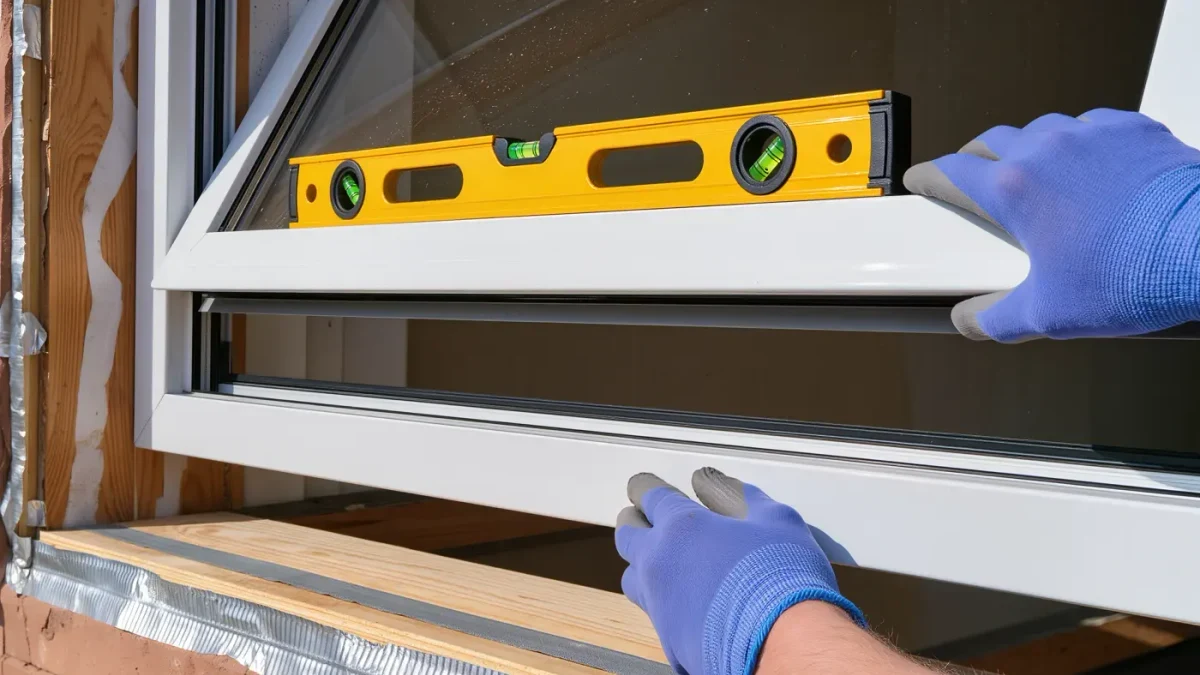
Two methods. Retrofit (insert) sets a new unit inside the existing frame — faster, cheaper, slightly smaller glass; fine when the old frame is square, sound, and drained. Full-frame removes everything to the rough opening, lets you inspect and flash the wall properly, and restores full glass size — the right call when sills rot or during siding work. The installation detail that matters more than any product: a continuous water-management layer (sill pan or flashing sequence) so water that gets behind the cladding drains out, not into the wall. Ask installers to describe their sill flashing; the ones who shrug are the ones who cause the five-year call-back.
What does it all cost?
Budget roughly $500–$1,200 per standard double-hung installed at mid-range quality, scaling up with size, material, and historic profiles; whole-house projects in the mid-five figures are normal. Energy payback alone is long — windows are a comfort, quiet, and operability upgrade with energy as a bonus — so the honest case for replacing is usually the failed-frames case, not the utility-bill case. If sound is the driver (a busy street), note that glazed mass cuts noise less than an insulated wall; upgraded glazing plus interior storm panels is the acoustic combination.
How to buy without being sold
- Get three bids on the same scope statement — full-frame versus retrofit specified, per opening.
- Verify NFRC labels on the actual units quoted, not the showroom sample.
- Check the installer's license, insurance, and local references from two years ago (long enough for leaks to appear).
- Negotiate the warranty's labor half — the product warranty is factory; the installation warranty is the company, and companies disappear.
FAQ
What is a good U-factor for windows?
Lower is better: ENERGY STAR requirements run roughly 0.25–0.40 depending on climate zone, with the lowest numbers for northern heating climates. Compare only NFRC-labeled figures — unlabeled claims are not comparable.
Are triple-pane windows worth it?
In cold climates and on noisy sites, yes — better U-factors, less condensation, real acoustic gains. In mild climates, the premium usually pays back too slowly to justify over a good double-pane with low-e coating.
Should I restore old windows instead of replacing?
When frames are sound wood and the home has historic character, restoration plus weatherstripping and storms can approach replacement performance while preserving millwork. Replace when units are failing wholesale or an envelope retrofit is underway.