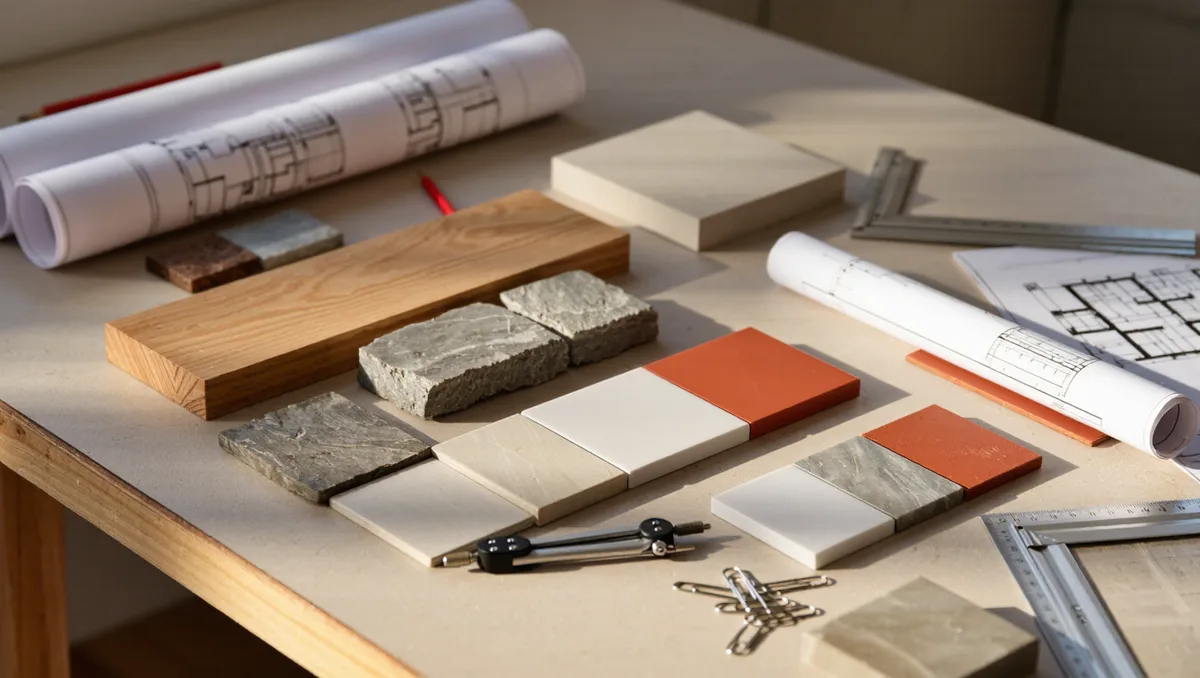
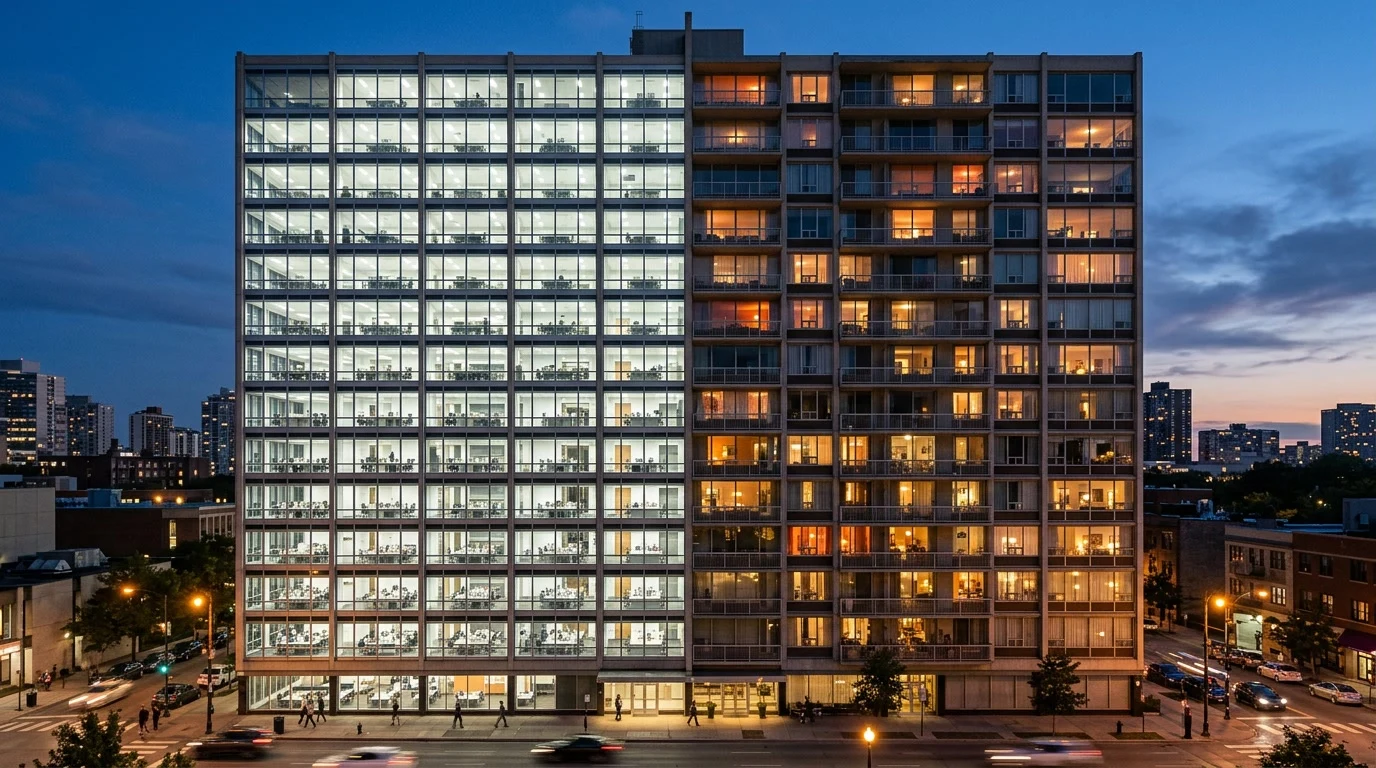
What architects actually earn: a salary breakdown
Pay in architecture tracks licensure, firm size and specialism more than talent. Here is how the ladder works.

Pay in architecture tracks licensure, firm size and specialism more than talent. Here is how the ladder works.

Twelve vendors, two advisors, and one shared idea: AI agents need to be governed like people with keys to the building.

A clause-by-clause walkthrough of the terms tenants most often regret overlooking.

Buyers say they want open. Their offers sometimes say otherwise. What the layout trade-off really looks like at showing time.

Floor plate depth, operable windows and the year on the cornerstone decide which empty offices can hold homes — and what those homes feel like to live in.

Vesta lenders can now route verification work through Mezzo's one-to-many gateway — a press release claim worth reading with care.

Backyard cottages and garage conversions are having a moment. Here's what an accessory dwelling unit legally is, what it costs to build one, and where the rules trip people up.

Two-story living spaces went from Victorian status to modernist cliché to the most requested feature in new apartments — the reasons are physics and psychology.

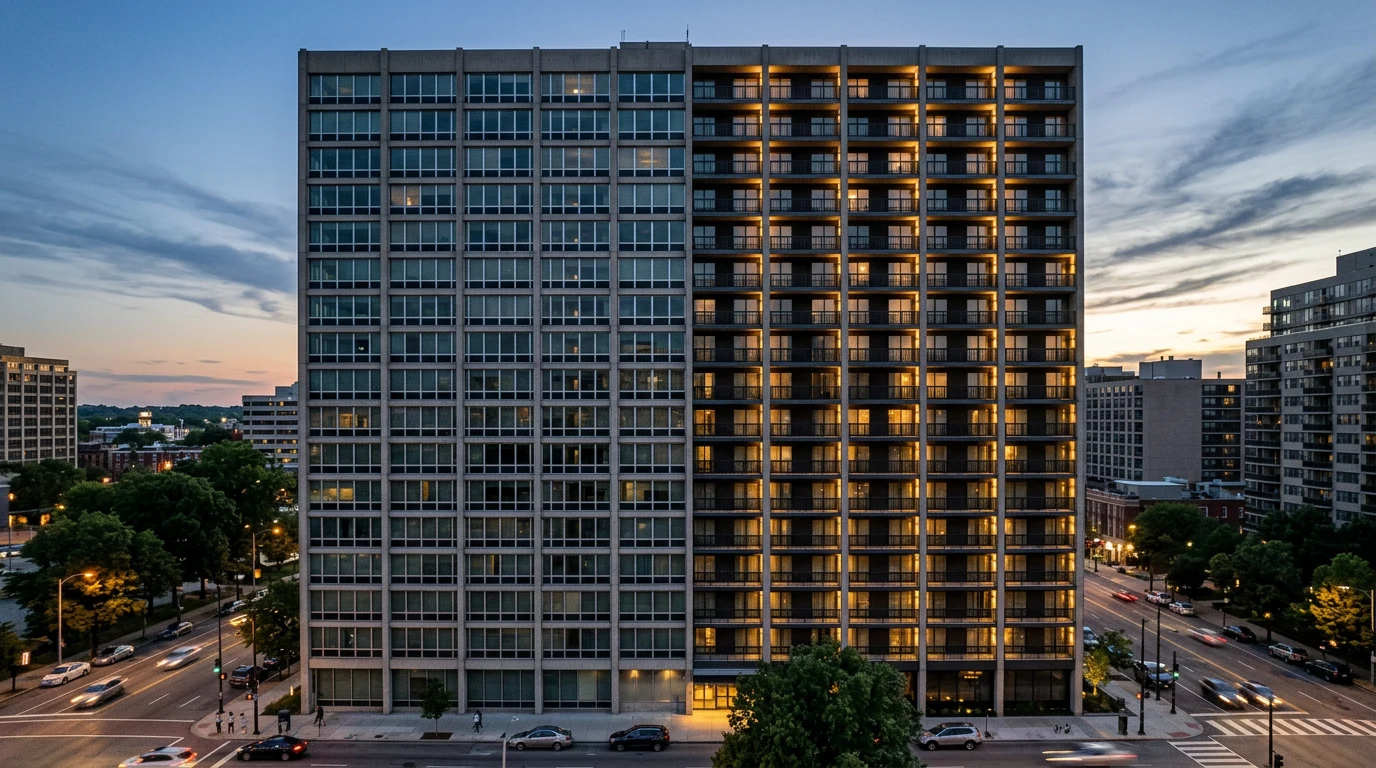
Office-to-residential conversion hinges on floor depth, plumbing, and light — most 1970s-and-later office floors are simply too deep to make legal bedrooms.

A floor plan tells you where daylight dies, whether the bedroom wall touches the elevator, and how much of the advertised square footage is hallway — if you know where to look.

The 20% credit behind a decade of mill-to-apartment conversions runs on one rule about income-producing use — here is how it actually works.
The most boring document in the closing stack decides where your property actually ends — fences, driveways, and disputes included. Twenty minutes of map literacy prevents all of it.
The world's strictest energy standard is mostly invisible — no solar panels, no gadgets, just an envelope so tight the occupants heat the house. Here's what that's worth.
The remote-work era quietly re-priced city centers: new towers delivered into softer demand, and the rents followed — with the exceptions that prove the map.
The communal table by the coffee machine is the most engineered room in the hotel: mornings pay for the building, and design has noticed.
Thirty minutes and a phone's worth of tests — water pressure, phone signal, noise, and the lease's fine print — separate the apartment from its photographs.

What the most-shared service talks keep saying, and what it means for the buildings that charge by the night.

A high nightly rate means little if the calendar sits empty. Here is how occupancy actually works, and what it costs to keep those nights filled.

From a Midtown Manhattan filing to a wave of conversions in Nashville, the mechanics of turning desks into guest rooms are more involved than a coat of paint.

Hotels engineer smell as carefully as lighting — signature scents and chosen materials are the parts of a stay guests can't photograph and can't forget.

New York's 1931 Park Avenue landmark returned in 2025 from a multi-year restoration as 375 hotel rooms and, for the first time, 375 private residences above them.

The federal historic tax credit only covers 20 percent of qualified rehab costs, but it's become the financing backbone behind hundreds of thousands of apartments carved out of old buildings.


Flat prices, growing inventory, and patient sellers are back for the first time in years — here is how to use the leverage without waiting yourself out of a good home.