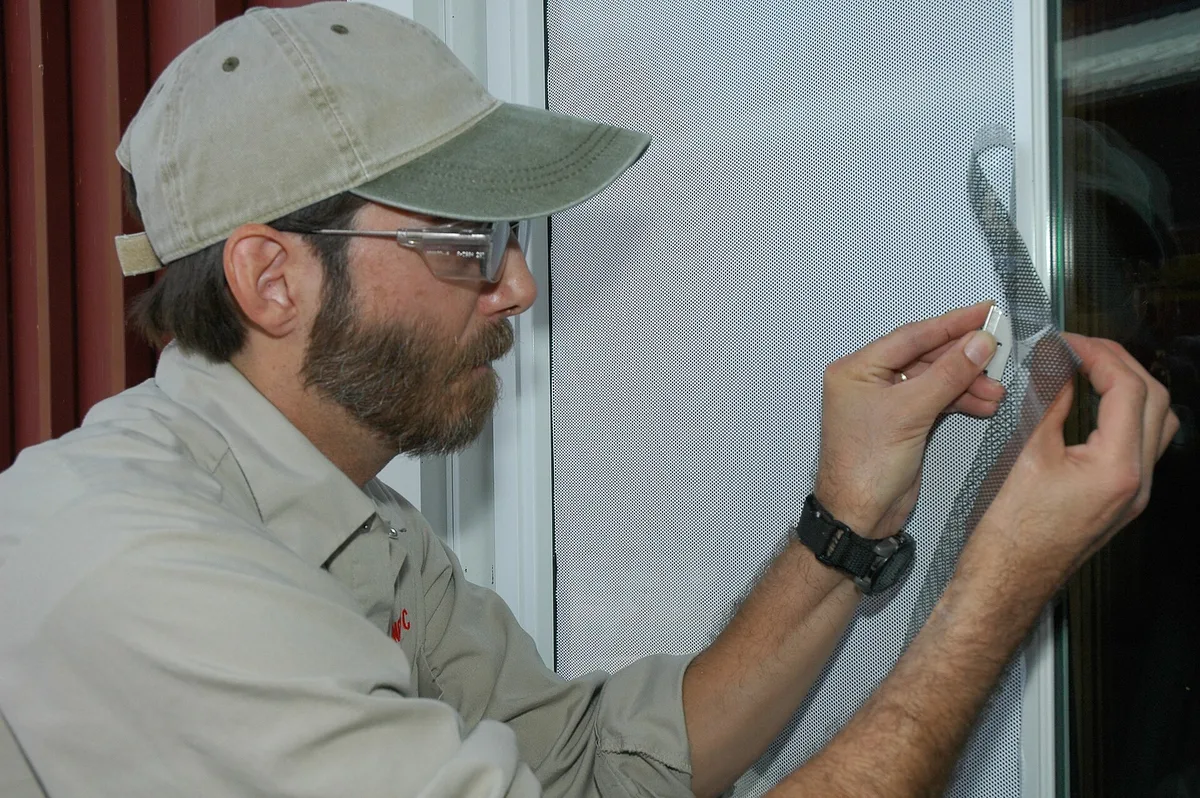
Residential window tinting is the application of a thin polyester film to the inside face of a home's windows. Done well, it cuts summer heat gain, tames glare on screens and floors, and filters the ultraviolet light that fades furniture and rugs. Done badly, or on the wrong window, it can look purple, bubble at the edges, or void a window warranty.
The honest answer to "is it worth it" is: sometimes. Tinting earns its keep on west- and south-facing glass that bakes in the afternoon, on big unshaded expanses, and in climates where cooling season runs long. It earns much less on a shaded north wall, and it is never a substitute for shading, sealing, or a mechanical fix when the real problem is a failing air conditioner.
This guide walks through what the film actually does, the main types on the market, what drives the bill, and the trade-offs to weigh before an installer shows up. For more on how a house works as a system, the residential section covers the rest of the building envelope, and our guides library collects the practical how-tos in one place.
What does window film actually do?
Film works by intercepting solar energy at the glass. A clear single-pane window passes most of the sun's heat straight into the room; a window with a reflective or absorbing film passes less. The exact amount depends on the film, and reputable installers publish a specification sheet for each product listing how much total solar energy, visible light, and ultraviolet radiation it blocks. Ask for that sheet before you agree to anything.
Three effects matter for daily living. Heat: less solar gain means rooms stay cooler and the air conditioner cycles less on sunny afternoons. Glare: a dimmed window is easier on eyes working at a screen, though dimming cuts both ways in winter, when you may want every bit of light and passive warmth the sun offers. Fading: most films block a large share of ultraviolet light, which is the main driver of fading in fabrics, wood floors, and art. Note that fading also comes from visible light and heat, so no film stops it entirely.
Privacy films are a separate category. Frosted or decorative films blur the view in both directions and work well on bathroom or street-facing windows. Mirror-style films give daytime privacy, but they reverse at night: with lights on inside, the one-way effect flips, and the room becomes the display. That surprises people, so think about evening use before choosing it.
Which types of film are on the market?
Solar-control films come in two broad families. Absorbing (dyed) films soak up solar energy in the film itself, which means the glass gets hot. Reflective (metallized) films bounce energy back out and perform better, but they give windows a mirrored look from the street, which some neighborhoods and some homeowners dislike.
Ceramic and nanoceramic films are the newer option. They use non-metallic particles to reject heat while staying largely neutral in color and low in reflectivity. They cost more. Spectrally selective films take the same idea further, blocking much of the infrared heat while passing most visible light, so rooms stay bright without the cave-dark tint of older products.
Safety and security films are a different purchase. They are thicker, hold broken glass together, and are usually chosen for storm or break-in concerns rather than heat. Decorative films, including frosted and patterned versions, solve privacy and style questions and do essentially nothing for temperature.
| Film type | Best for | Trade-off |
|---|---|---|
| Dyed (absorbing) | Budget glare control | Hot glass; shorter life |
| Metallized (reflective) | Strong heat rejection | Mirrored exterior look |
| Ceramic / spectrally selective | Heat rejection with clear views | Highest price |
| Safety / security | Holding shattered glass | Not a cooling product |
| Decorative / frosted | Daytime privacy | No meaningful heat benefit |
What drives the cost?
Two things set the bill: how much glass you have, and which film you choose. Installers price by the square foot of window, so a wall of glass costs several times what two bedroom windows cost. Film grade moves the number too, with ceramic and spectrally selective products sitting at the top of the range and dyed films at the bottom. Access matters as well; third-story windows that need ladders or a lift add labor time.
Because prices vary widely by market, film, and window count, get at least three itemized quotes rather than trusting a national average. Ask each bidder to separate material from labor, name the exact film product, and state the manufacturer's warranty in writing. Film warranties commonly run for years against peeling, bubbling, and discoloration, but the length and terms differ by maker, so read the sheet rather than assuming.
One more line item people forget: some glass manufacturers void their warranty if film is applied, because a hot absorbing film can stress certain sealed units and crack them. Check your window warranty, or get written confirmation from the film manufacturer that its product is safe for your glass type. Good installers carry damage guarantees for exactly this reason; a contractor who waves the question off is telling you something.
When does tinting pay for itself?
Tinting pays back through avoided cooling costs, and the math only works when cooling is a large share of the bill. A house in a hot, sunny climate with big west-facing windows and a long cooling season is the natural candidate. A house in a mild climate, or one whose windows are already shaded by trees, awnings, or deep roof overhangs, will see small savings that take a very long time to cover the installation.
Our analysis: treat the energy savings as one benefit among several, not the whole case. The strongest value cases combine cooling savings with comfort on specific problem windows and fading protection for floors and furnishings you would otherwise replace. If a room is unusable for three hours every summer afternoon, that has real value even before the utility bill moves.
Compare the alternatives honestly before committing. Exterior shading, awnings, deciduous trees, low-emissivity window replacements, or even good blinds each solve part of the problem, sometimes at lower cost. If you are weighing a full window upgrade anyway, it is worth reading what Passive House certification means for a homebuyer, because high-performance glazing changes what retrofit add-ons can contribute.
What are the drawbacks?
The downsides are real and mostly manageable. Winter penalty: film that blocks solar gain in July blocks it in January too, which raises heating demand in cold climates. Appearance: reflective films change how the house reads from the street, and cheap films can turn purple or haze as they age. Night privacy: mirror films reverse after dark, as noted above. Warranty risk: film can void glass coverage, as covered in the cost section.
There is also a rules layer. Some homeowners associations regulate exterior appearance, and a mirrored window finish can draw a complaint even though the film is inside, so check the governing documents first. Our guide on how to read HOA rules before you buy covers which clauses tend to bite later. Renters face a simpler version of the same problem: most leases treat permanent alterations as the landlord's call, so read the lease and get written permission. The walkthrough in how to read a residential lease agreement before you sign applies here.
Practical steps before you commit
- Identify the problem windows. Note which rooms overheat, when, and whether the glass is shaded.
- Check your window warranty for film clauses, and confirm glass compatibility in writing.
- Collect three itemized quotes naming the exact film product and its specification sheet.
- Review any HOA or lease restrictions on appearance or alterations.
- Ask each installer for references and confirm the warranty terms in the contract.
- Consider a sample: many installers will mock up film on one window before you commit to the whole house.
Film is a retrofit, not a repair. If the windows are old, leaky, or fogged between the panes, tinting dresses up a problem rather than solving it.
The takeaway
Residential window tinting is a targeted tool, not a whole-house upgrade. It makes the most sense on sun-battered glass in a cooling-dominated climate, paired with a quality film, a written warranty, and a check on glass compatibility and community rules. Where those conditions hold, it can pay for itself over time while making rooms usable on the worst afternoons. Where they do not, the money is usually better spent on shading, sealing, or saving toward better windows.
As a matter of plain definition, the word itself sets the scope: Merriam-Webster defines residential as "of or relating to residence or residences," which is a useful reminder that the products, warranties, and installer norms discussed here are those of the home market, not the automotive or commercial tint trade. A car-tint shop is not automatically the right vendor for your living room.