The hospitality industry is the collection of businesses that exist because people travel, eat out, and pay for experiences away from home. Most definitions sort it into four sectors: travel and tourism, accommodation, food and beverage, and recreation and entertainment. The umbrella is wide on purpose, and the seams matter more than the edges.
Why should a property reader care? Because the same building can sit in more than one sector at once, and each sector earns money a different way. A resort sells rooms, restaurants, spa treatments and event space from one asset. The hospitality category on this site covers that overlap constantly, because the overlap is where the deals get interesting.
One framing note before the map. The word itself is older than the business. According to Wikipedia, "hospitality" derives from the Latin hospes, meaning host, guest or stranger — the same root that gives us hotel, hostel and hospice. The industry is the commercial version of a much older social duty.
What counts as the hospitality industry, and what doesn't?
The cleanest working definition comes from the events and hotel software company Cvent, which describes the hospitality industry as all economic activity that relies on or contributes to travel and tourism. As Cvent's guide puts it, hotels and travel agencies contribute directly, while suppliers, transportation services and caterers contribute indirectly because they don't rely on hospitality alone for revenue.
That line between direct and indirect does real work. An airline is in. A company that only sells linens to airlines is adjacent, not inside. A restaurant inside a hotel is unambiguously in. A neighborhood diner with no tourist trade is a judgment call, and reasonable people put it on both sides of the line.
For an investor, the distinction shows up as revenue concentration. A business whose income depends entirely on visitor traffic carries visitor-cycle risk. A business with mixed customer bases does not, or at least less of it. Same building, different risk profile, depending on which sector you file it under.
What are the four sectors of hospitality?
Cvent sorts most hospitality businesses into four categories. Here they are, with what each one actually sells.
- Travel and tourism. Airlines, shuttle services, travel agents, and destination marketing organizations — the businesses that move people to a destination in the first place.
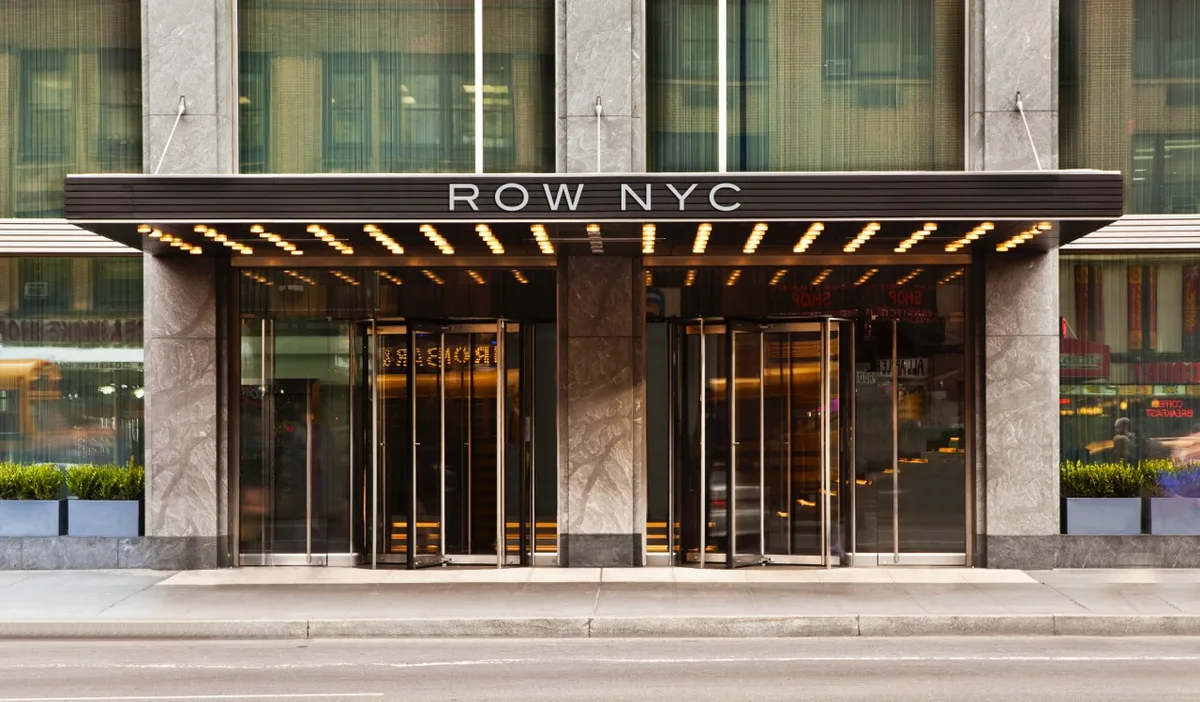
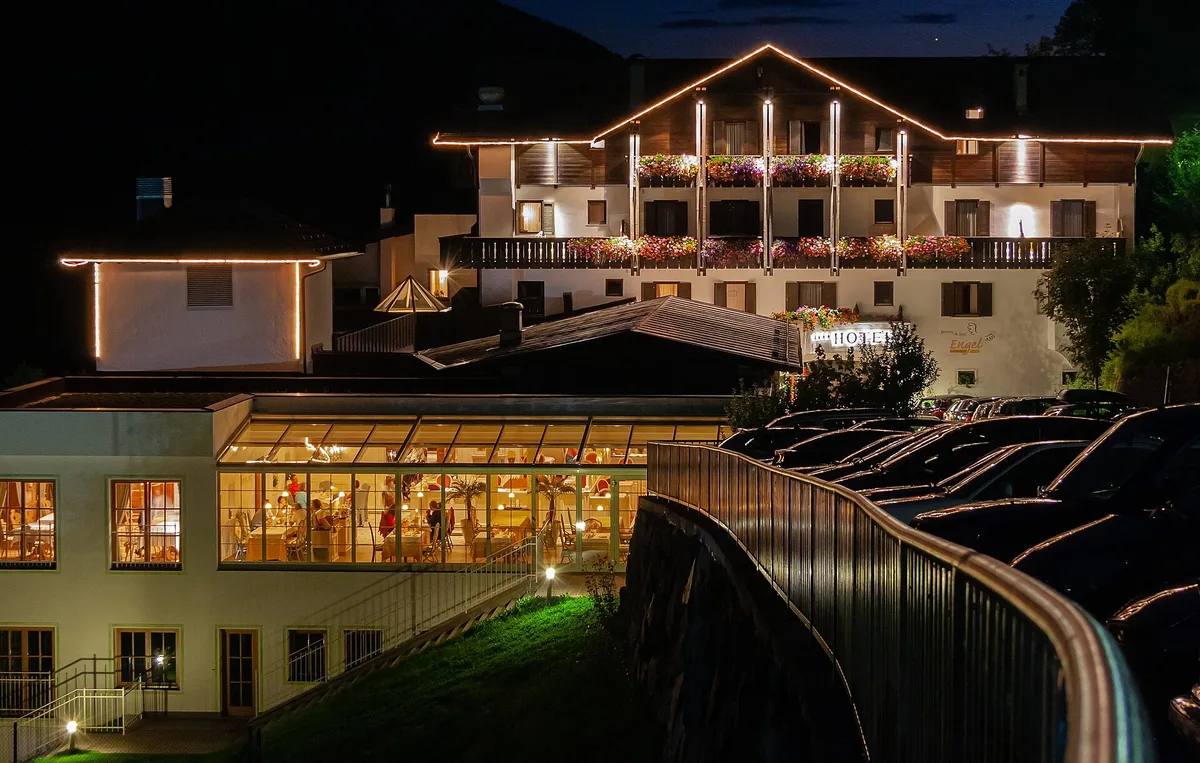
- Accommodation. Chain hotels, motels, extended-stay properties, inns, resorts, boutique hotels, conference centers, wedding venues and casino suites. This is the sector property people know best, and the one this site writes about most, from how an office tower turns into a hotel, floor by floor to the motel conversions behind the boutique revival on the old highway.
- Food and beverage. Event catering, quick-service outlets, full-service and limited-service restaurants. Most hotels run some form of F&B in-house; standalone restaurants participate in the local hospitality economy without depending on it.
- Recreation and entertainment. Bars, nightclubs, theaters, stadiums, museums, zoos, spas and attractions, plus outdoor destinations such as national and state parks. These businesses give travelers a reason to show up.
The sectors are not silos. A casino is accommodation plus entertainment. A resort wedding is accommodation plus F&B plus events. Underwriters who model the revenue lines separately, rather than treating "hotel" as one number, tend to be the ones who see the soft month coming.
How big is the hospitality industry as an employer?
The scale numbers are striking, and they come from Cvent's reporting. The guide states that 2022 brought 22 million new jobs to the sector, an increase of almost 8% over 2021, and that in 2023 hospitality positions accounted for one in every ten available jobs worldwide.
The same source puts the industry's value growth at a compound annual rate of 7% from 2022 to 2023, and cites the World Travel & Tourism Council's estimate that the industry will create 126 million more jobs by 2032. Treat those as the sector's own rebound figures, gathered as travel demand recovered — they describe a moment, not a permanent law.
What this means for property is straightforward: hospitality is a labor business before it is a real-estate business. A hotel asset is only as good as the staffing that keeps rooms clean and restaurants open, and Cvent notes the industry still faces staffing shortages even as it remains one of the largest global employment sectors. An empty front desk shows up in the occupancy line faster than any renovation shows up in the rate line. That is why our short-term rental occupancy explainer treats one number — the percentage of nights actually sold — as the figure that decides profit or loss. Readers following this should also see short-term rental occupancy: the number that decides profit or loss.
Where did the hospitality industry come from?
No founding date exists, and the traditions run deep. Cvent's guide points to welcome signs in French caves dating back to 15,000 BCE, which archaeologists believe were designed to greet visiting tribes. The ancient Greeks formalized the habit as xenia, a sacred rule of hospitality obliging hosts to protect and be kind to strangers.
The commercial version arrived with the inn: a bed, a meal, a stable for the horse, all priced by the night. Strip away the horse and the model is recognizable today. What changed over the centuries is not the transaction but its scale — from one host's table to global chains, booking platforms and destination marketing budgets.
The through-line is worth naming. Hospitality began as a moral relationship between host and guest, and the industry still trades on the feeling of being welcomed. That is why design decisions — the lobby that reads like a living room, the scent at the door — carry commercial weight. Our companion piece on what the word really means follows that thread from ethics to business.
What does the industry's footprint mean for the built environment?
Hospitality businesses sell experiences, and experiences consume resources. Cvent reports that in 2022 the hospitality industry was responsible for roughly 1% of global carbon emissions, with single-use plastics, high water consumption, energy use and excess waste named among the ways hotels pressure the environment.
One percent sounds small until you remember how concentrated the footprint is: a full hotel runs laundry, kitchens, heating and cooling around the clock. For owners, the environmental line item is also an operating-cost line item — water and power bills respond to the same fixes that cut emissions. For designers, it is reshaping what gets specified, from lighting to finishes, a shift we track in pieces like hotel lighting lessons for every room.
Our analysis: the four-sector map is less a taxonomy than a reminder that hospitality assets are multi-revenue machines. Read a hotel's income statement the way you would read a small mixed-use building — rooms, food, events, entertainment, each with its own margin and its own risk — and the industry stops being vague. It becomes a portfolio under one roof.
The takeaway: one umbrella, four revenue engines
The hospitality industry is the whole set of businesses funded by people being away from home: travel and tourism, accommodation, food and beverage, and recreation and entertainment. The sectors overlap inside single assets, the employment and growth figures describe a sector still recovering into its size, and the environmental footprint is small in percentage terms but concentrated in practice. File any property you look at by its revenue lines, not its signage, and the umbrella starts making sense.