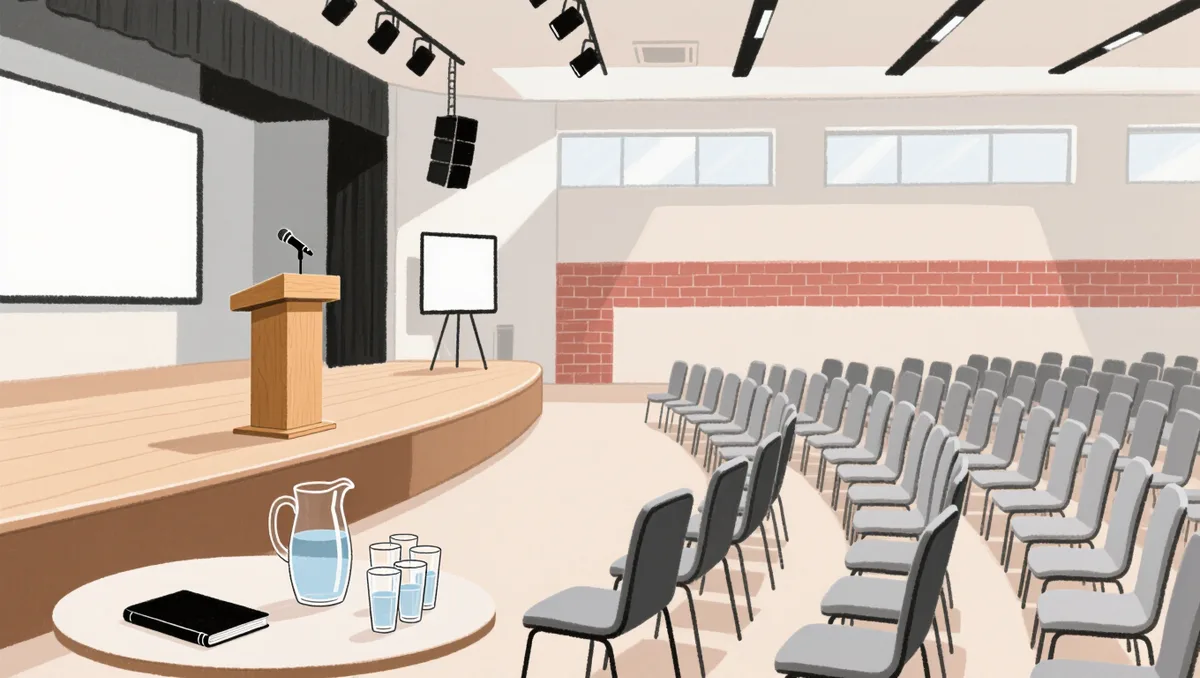
The most-shared talks about service share one idea: great hospitality is anticipation, not reaction. The best-run properties notice what a guest will need before the guest asks, and they build that noticing into the operation — the staffing, the floor plan, even the scent in the lobby. TED, which publishes its full talk library at ted.com/talks, has long been a place where service designers and operators compress years of front-line experience into a few minutes, and the themes that recur there map neatly onto how good hotels and short-stay homes actually make money.
That last clause is the qualification. Anticipation sounds soft. It is not. In a lodging asset, the ability to read a guest early shows up in the two numbers that decide whether the deal works: the rate a guest will accept next time, and the cost of serving them this time. Miss anticipation, and you pay for it in both. Nail it, and you get repeat bookings at a lower acquisition cost — which is the quiet engine behind most profitable independent properties.
We'd put it plainly, the way an underwriter would: every pro forma assumes some level of repeat business and some level of service efficiency. Anticipation is where both of those assumptions are either earned or quietly broken.
What do the most-shared service talks actually agree on?
Strip away the staging and the recurring lessons are consistent enough to list. First, the moment of truth is early: the first few minutes of a stay set the guest's tolerance for everything that follows. Second, recovery beats perfection — a problem handled fast and generously builds more loyalty than a stay with no problem at all. Third, empowerment beats scripts: the person closest to the guest needs the authority to fix things on the spot, without escalation.
None of this is sentiment. Each point has a balance-sheet shadow. A fast first impression reduces friction complaints, which reduces the labor hours spent on recovery. Empowered staff shorten the gap between problem and fix, which is the difference between a comped coffee and a refunded night. When operators talk about culture, an analyst hears cost control with better manners.
There is a fourth lesson, less quoted and more architectural: the building itself is a service employee. Wayfinding that removes a question is a question the front desk never answers. A bathroom laid out so towels sit where the guest reaches for them is a request the housekeeping team never fields. The talks frame this as designing for the guest's next move; a property owner should read it as designing down the payroll line.
Why does anticipation matter more than the lobby chandelier?
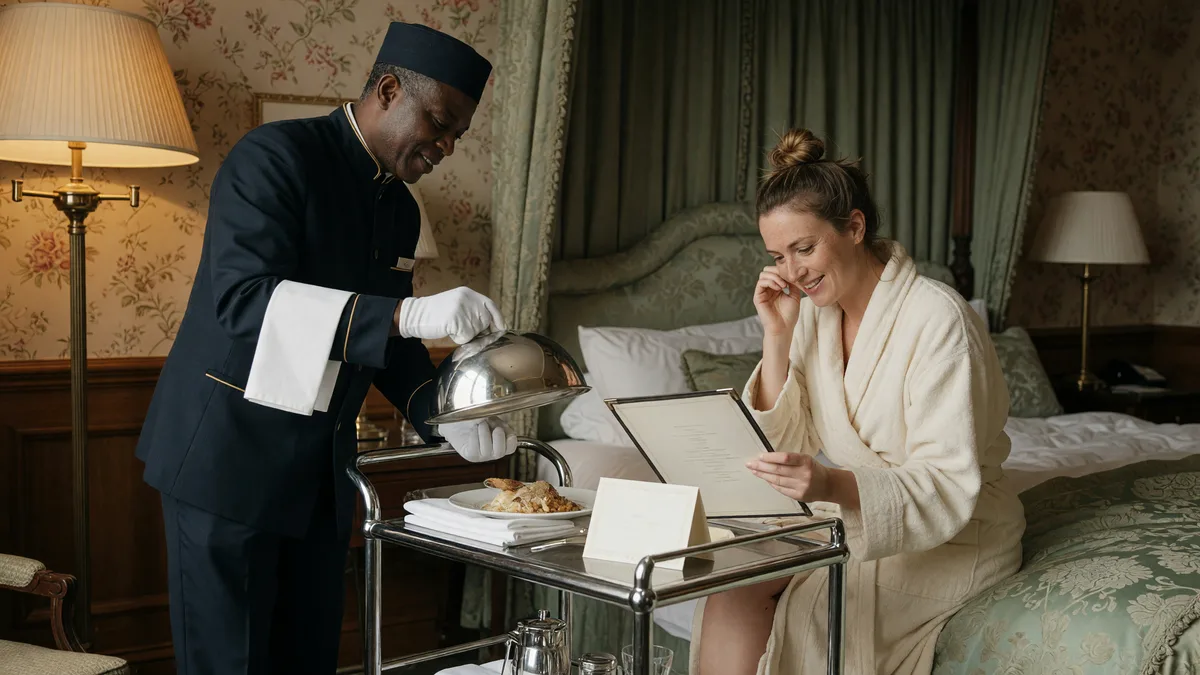
Because guests remember being understood, not being impressed. The widely shared service talks keep circling one observation: people forgive a plain room far more readily than they forgive feeling invisible. Remembering that a returning guest takes tea in the morning, or that they arrived late and hungry last time, costs almost nothing and reads as luxury. A chandelier reads as budget.
This is also where the physical design of a property does its real work. A lobby shaped to encourage a lingering arrival — the thinking behind why modern hotel lobbies look like living rooms — gives staff time to observe a guest before the transaction. A check-in that happens at the bar, as covered in our piece on why hotel check-in moved to the bar, turns a queue into a conversation, and a conversation is where anticipation starts.
The sensory layer does the same job quietly. Scent is the strongest memory hook a property owns, which is why lobby scent, and the materials that make memory, is a design decision and not a fragrance-counter indulgence. A guest who remembers the place correctly is a guest who books it again from a phone screen at eleven at night — the highest-margin booking there is, because it arrived without paying an intermediary for the introduction.
What does this mean for someone underwriting a lodging asset?
It means the service model is part of the physical due diligence, not a management afterthought. Before the lobby, look at the back of house: where does housekeeping stage, how far is the ice, can a single desk agent see the entrance, the elevator and the breakfast room at once? Properties where one person can cover sightlines to the highest-traffic zones run leaner without feeling thin. That is anticipation expressed as a floor plan.
Then stress-test the service assumptions the way you'd stress-test the debt. Ask what happens when the property is 95 percent full and two housekeepers call in sick. If the answer is "guests wait," the pro forma is carrying an unpriced risk, because the recovery lessons in those service talks only work when there is slack in the system. A property designed to run at exactly 100 percent of its labor capacity has no capacity to be generous, and generosity is the product.
Finally, look at what the building makes easy to notice. Narrow corridors, blind corners and a breakfast room hidden behind a wall all reduce the staff's natural field of observation. The best properties we'd put money on are the ones where the layout itself keeps guests gently visible, so that a refill or a directions offer happens before it's requested.
How does this translate to homes and short-stay rentals?
Directly, and with less margin for error. An independent short-stay host has no brand to carry a bad night, so anticipation has to be built into the listing and the space itself. The occupancy math — covered in our explainer on short-term rental occupancy: the number that decides profit or loss — is unforgiving: a unit that fails to generate repeat and referral bookings pays for every future guest in marketing, and that line item is where thin deals die.
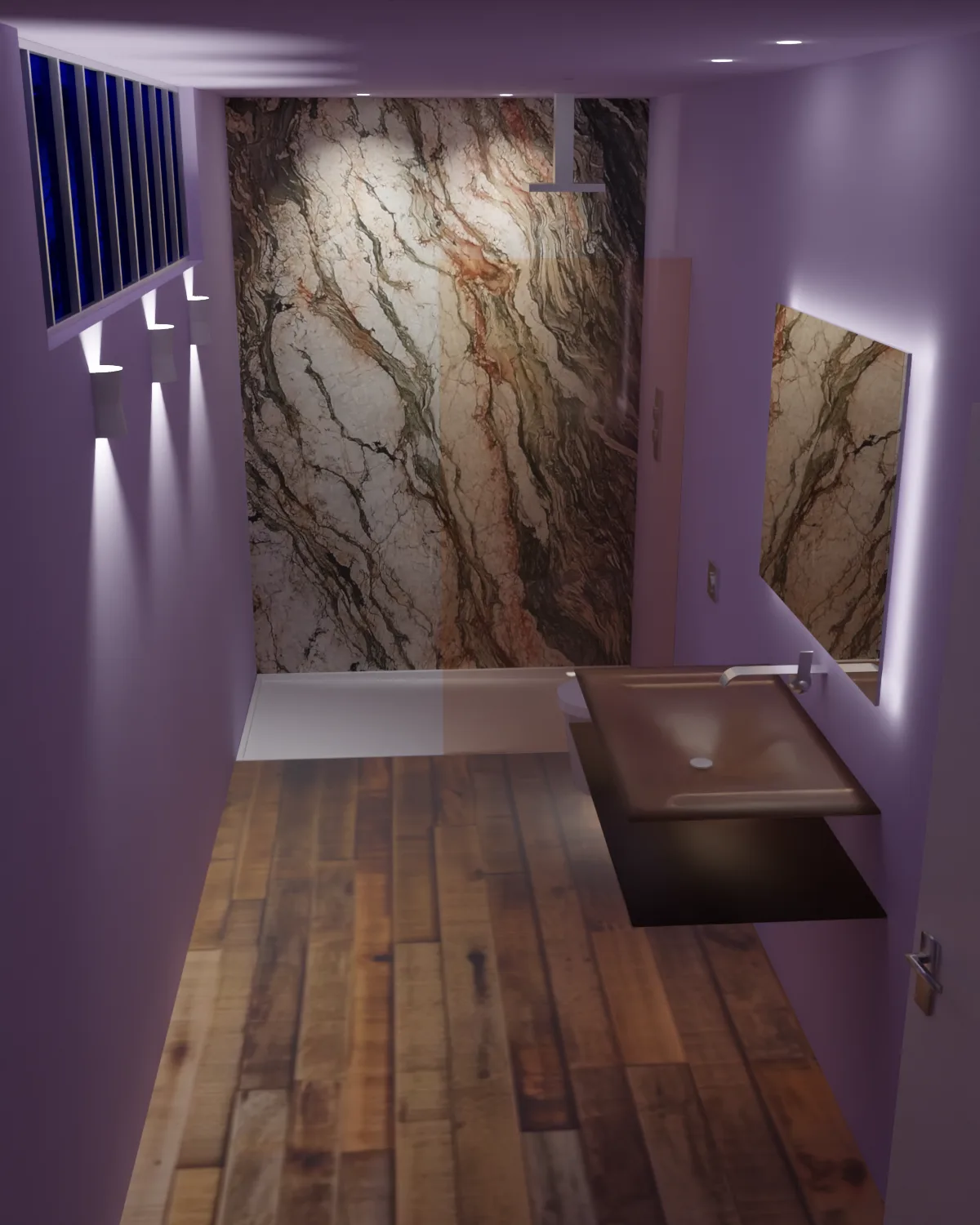
The translation is mostly small and physical. Lighting that lets a late arrival find the switch without hunting, the lesson behind hotel lighting lessons for every room in your house. A bathroom that anticipates the two things every guest forgets, done with the tricks in hotel bathroom design tricks worth stealing. A welcome note that answers the three questions every guest otherwise texts about. Each one removes a message, a complaint, or a mediocre review — and in a ratings-driven channel, the review is the yield.
The talks frame this as empathy. The operator should file it under retention cost. Both descriptions point at the same ledger entry.
Where does the anticipation model break down?
Three places, and each is a known failure mode. First, when anticipation is faked: a scripted "personal touch" that repeats across guests reads as manipulation, and guests are sharper about this than operators assume. Second, when anticipation is not shared: if the insight lives in one veteran employee's head and that employee leaves, the property reverts to reaction overnight. The operational fix is documentation — the least glamorous and most valuable artifact in a lodging business.
Third, and most expensively, when the building fights the service model. A property that adds a breakfast program without the kitchen capacity, or a lounge program without the staffing, is buying an anticipation promise it cannot keep. Conversions are especially exposed here; our walkthrough of how an office tower turns into a hotel, floor by floor shows how much of the service outcome is decided by plumbing cores and elevator counts chosen years before the first guest arrives.
The honest reading of the service-talk canon is that it asks operators to promise less and notice more. That is also the honest reading of the underwriting. A property that promises anticipation and delivers it earns a rate premium no amenity list can match. A property that promises it and misses delivers the one thing guests reliably punish: surprise, of the wrong kind.
What this means, in closing
The shared service talks and the shared balance sheets tell the same story from opposite ends. Anticipate early, recover fast, empower the front line, and let the building do part of the noticing. Do that, and the guest's memory does your marketing for free. Skip it, and no amount of design spend covers the gap. For anyone evaluating a hotel, a resort, or a single short-stay unit, the questions to ask are the unglamorous ones: who sees the guest first, what happens when it goes wrong, and what does the floor plan make easy to notice. The answers are the deal.