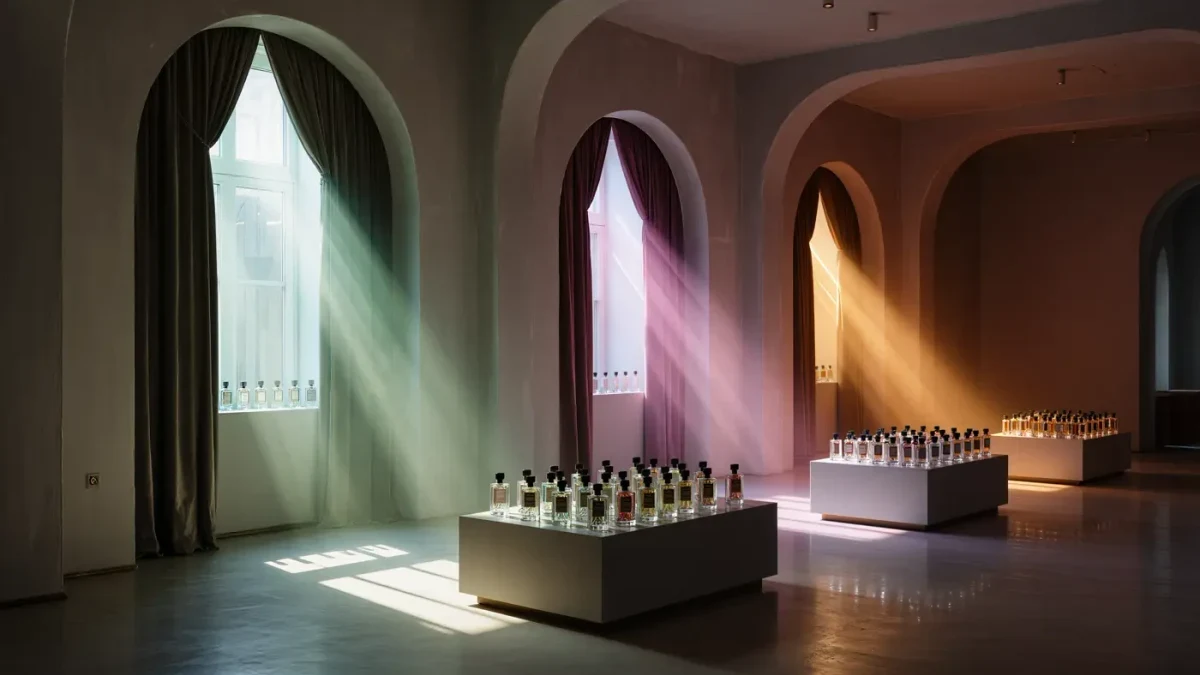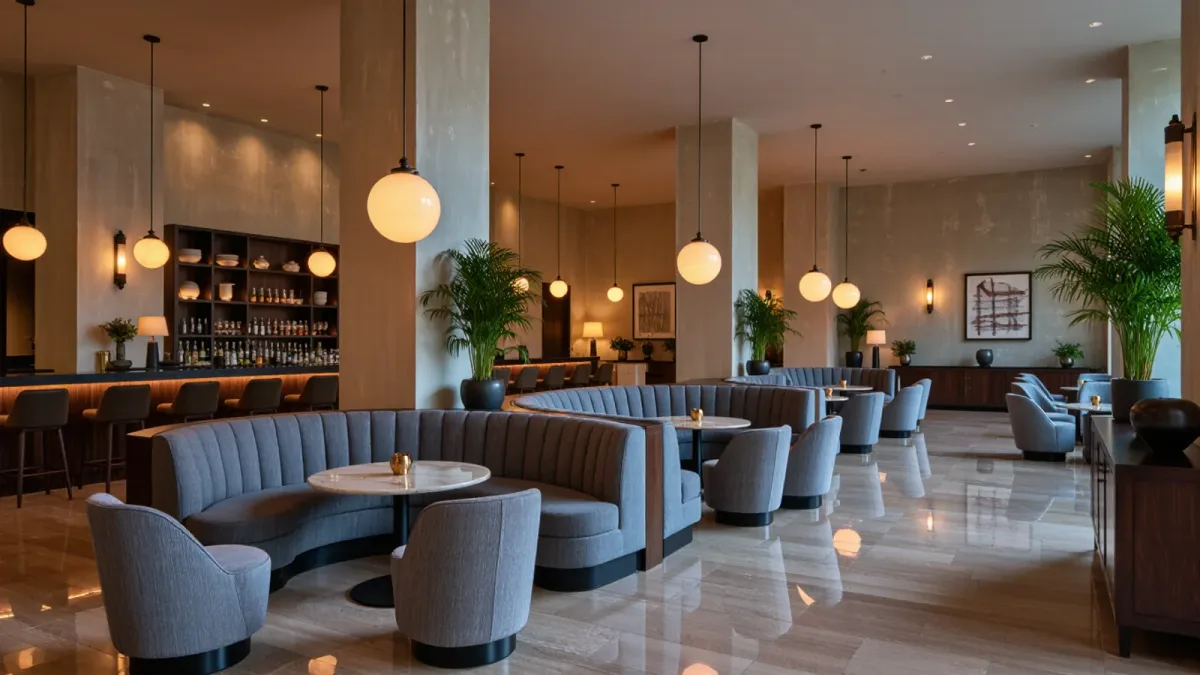
Walk into a well-run hotel and the first thing that greets you is not visual: it's a scent — cedar and citrus, white tea, leather — diffused through the lobby by design, often a commissioned signature fragrance developed with perfumers and trademarked like a logo. The practice, standard across luxury and lifestyle brands since the 2000s, exploits the brain's wiring directly: smell is the one sense wired to the memory centers without intermediate processing, which is why a hotel can be recalled from a fragrance years later. Hospitality trade coverage through the 2020s treats "scent branding" as a standard line item alongside lighting and music — the invisible layer of design.
That invisible layer is a genuine design discipline, with lessons that reach past hotels.
What is actually being engineered?
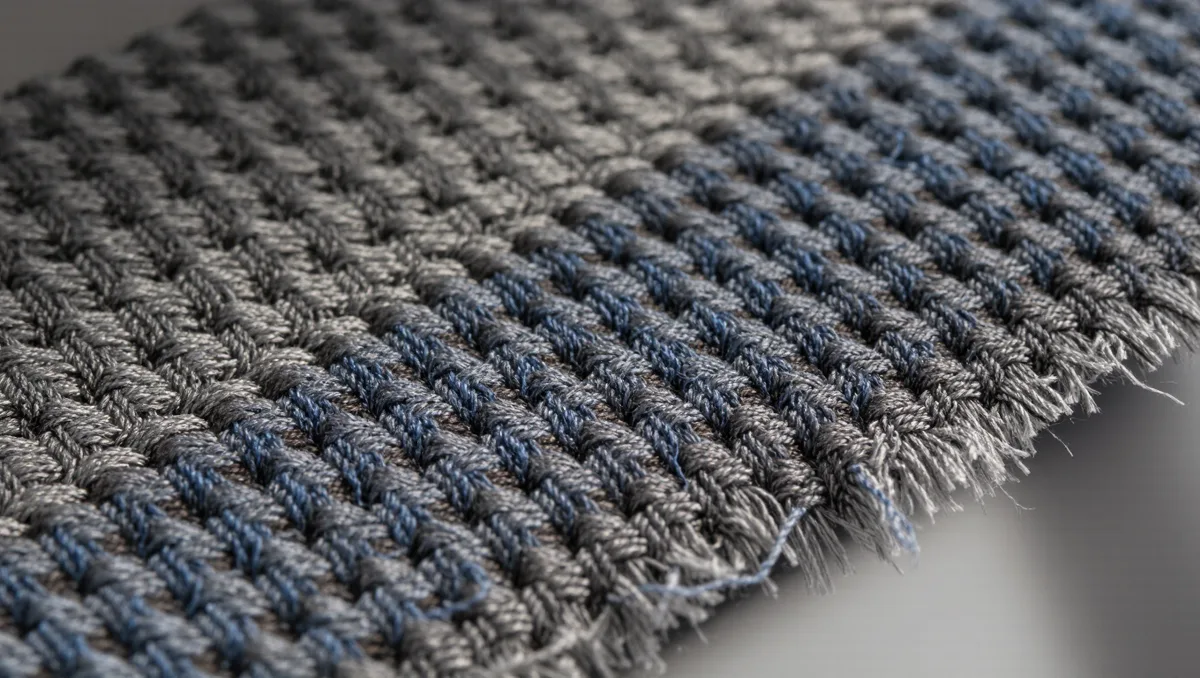
Three coordinated systems. The scent itself: composed for the brand — usually a simple structure (two or three dominant notes rather than perfume complexity) because simplicity survives HVAC distribution and repeated exposure; diffusion is zoned, timed, and dosed in parts per million, strong enough to register and light enough not to announce itself. The materials that carry it: scent binds to porous surfaces — wool carpets, linen, raw wood hold fragrance long after diffusion stops, which is partly why hotel design favors textile-rich lobbies; the materials are the scent's battery. The scent-memory pairing: brands repeat one fragrance everywhere — every property, every year — so the memory compounds; consistency, not beauty, is the strategy.
Why materials are the durable half
Fragrance fades; materials keep giving off the smell the room actually has — the honest olfactory palette of a space is its cleaning products, its textiles, its wood, its stone, and its coffee. The best hospitality interiors design this deliberately: natural materials that age well (unlacquered brass developing its patina, stone that holds coolness, wool that holds warmth) contribute a subtle sensory truth that no diffuser can fake, while the failure modes are equally material — new carpet adhesives, vinyl off-gassing, damp paper. A lobby's real scent identity is its maintenance schedule wearing perfume.
What can a homeowner take from it?
- Choose one honest signature: a single good scent, used consistently — real coffee in the morning, beeswax or cedar somewhere, one candle family rather than a rotating museum. The hotel lesson is repetition, not luxury.
- Fix the base before the perfume: ventilation, washing textiles, and managing moisture do more for how a home smells than any diffuser; hotels clean relentlessly first.
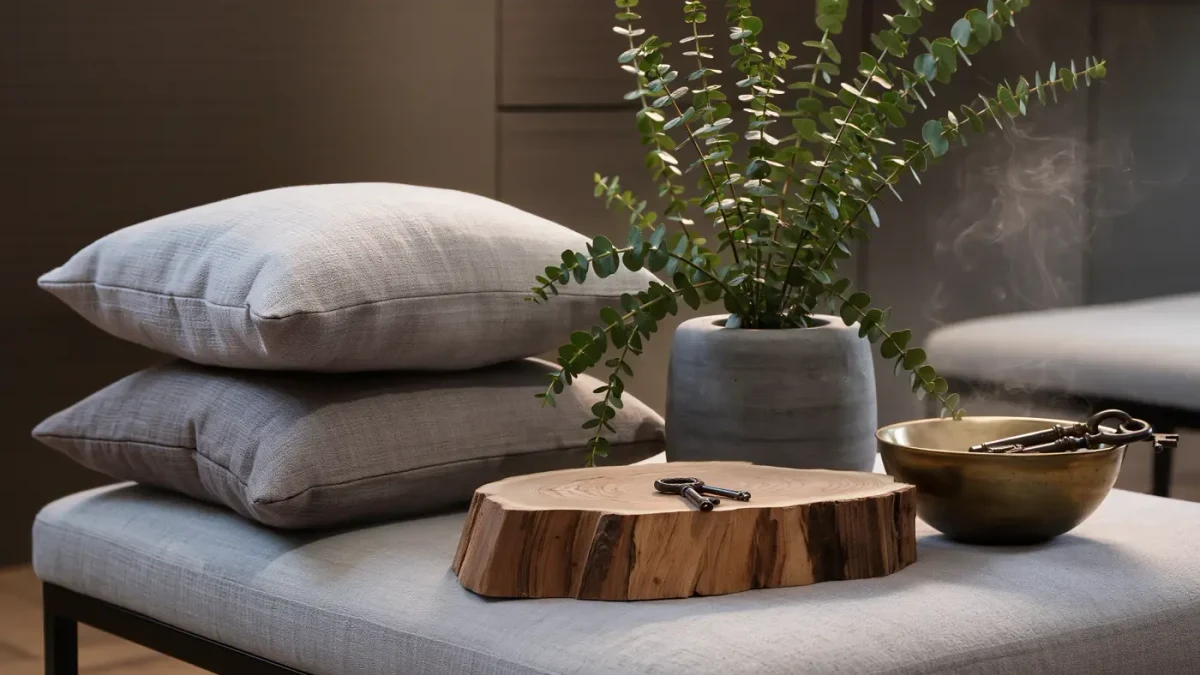
- Let materials speak: one or two natural materials with genuine scent and touch — wool, linen, unfinished wood, leather — outlast any product in sensory memory; the entry bench in leather you always touch is the concept.
- Engage arrival as a sequence: scent plus a warm light plus one texture at the door is the hotel arrival choreography compressed to a hallway; guests feel it without naming it.
Where the practice gets criticized
Fairly, in three ways. Diffused scent is a genuine problem for people with chemical sensitivities and allergies — some jurisdictions and workplaces regulate ambient fragrance, and considerate hotels keep diffusion light and zoned. Signature scents can outlive their brands confusingly (the fragrance lives in guests' memories longer than the property's ownership). And there is the authenticity question that shadows all scent design: a smell can stage an impression the building hasn't earned. The best versions use scent to amplify real qualities — the cedar sauna actually present, the bakery actually downstairs — which is exactly the version that translates to homes: engineer the true things first.
FAQ
Why do hotel lobbies smell so good?
By design: brands commission signature fragrances, diffuse them lightly through zoned HVAC systems, and pair them with scent-binding natural materials. Consistency across every property builds the scent-memory association the strategy depends on.
What is scent branding?
The practice of creating a trademarked signature scent for a brand and deploying it consistently across locations — treating smell as an identity asset like a logo, based on smell's direct wiring to memory centers in the brain.
How can I make my home smell like a hotel?
Fix the base first — ventilation, clean textiles, managed moisture — then pick one honest signature scent used consistently, and let natural materials (wool, cedar, leather, linen) contribute their own quiet scent. Repetition and cleanliness beat expensive diffusers.