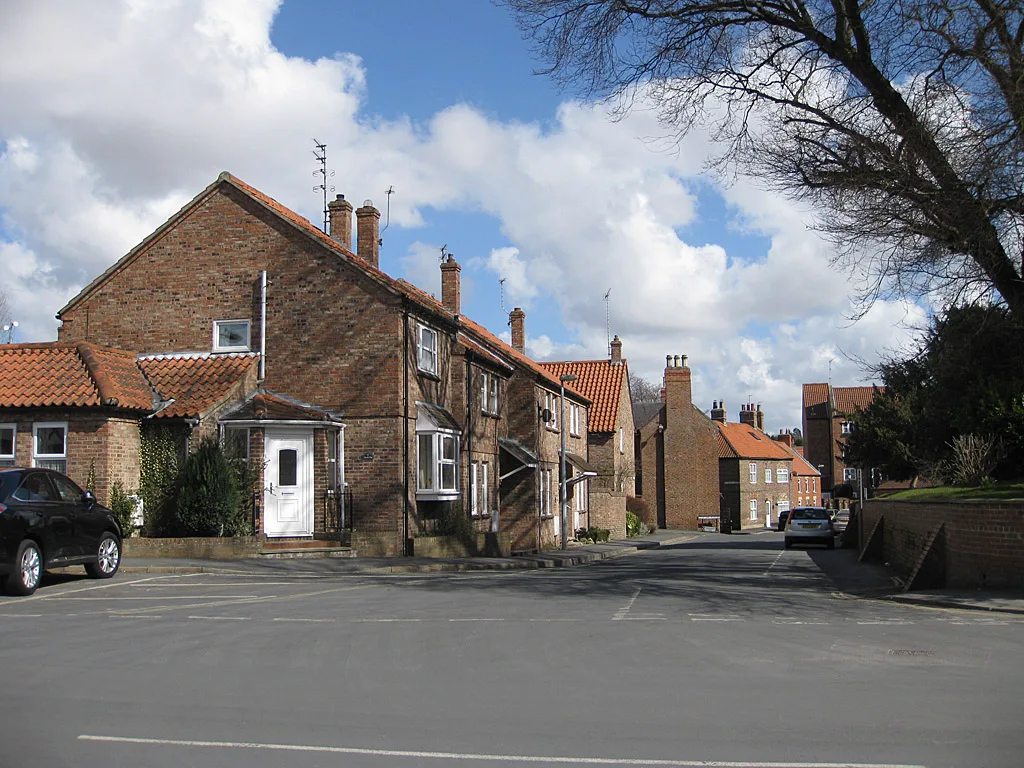
Figuring out how to make an offer on a house comes down to more than the number you write on the line. Sellers weigh your price against your financing, your timeline and how many ways you can still walk away. A slightly lower bid with fewer escape hatches can beat a higher one that scares them.
The most important qualification: an offer is a starting negotiation, not a verdict. Almost every term in it can be adjusted, and the strongest buyers are the ones who know which terms to trade and which to hold. This guide walks through the pieces, then shows how to stack them into an offer a seller wants to sign.
Before you write anything, spend time in our guides library so you know what you are buying, not just what you are bidding on. An offer on a house you have not inspected thoughtfully is a bet, not a plan.
What actually goes into an offer?
An offer is a written contract proposal, and it covers far more than price. It states how you are paying, how quickly you can close, how much money you put down, and which conditions let you exit without penalty. Each of those lines is a signal to the seller.
Sellers read offers the way an employer reads a resume. The price gets attention first, but the details decide whether the deal feels safe. A buyer with solid financing and a flexible closing date reads as reliable. A buyer with a low down payment and three contingencies reads as risky, even at a higher price. We covered a connected angle in How to read a survey (and the plat map that came with it).
Most offers are submitted with an agent's help on a standard form. That form is where the strategy lives, so it pays to understand every blank before you fill one in.
How does price fit into the strategy?
Start with what the house is worth, not what you hope it costs. Your agent should pull recent sales of similar homes nearby and show you how the asking price compares. That comparison, often called a comparative market analysis, is your anchor. Without it, you are guessing, and guessing in either direction costs you.
Then set two numbers before you look at anything: the price you would happily pay and the price you would walk away from. Decide both in advance, in a calm moment, because auctions are designed to make people decide in excited ones. A bidding war is a machine for extracting your ceiling price. Knowing your ceiling before the machine starts is the only reliable defense.
One honest note about escalation clauses, which let you bid automatically above competing offers in set increments up to a cap: they work, but they hand the seller your maximum. Some sellers' agents use the cap as a negotiating floor even when competition is thin. If you use one, set the cap at your true walk-away number and no higher, and ask your agent how escalations are verified in your local market.
Which contingencies should you keep, and which can you trim?
Contingencies are the conditions that let you cancel and recover your deposit. Each one protects you, and each one makes your offer look slower and riskier to a seller. The skill is knowing which risks you can actually carry.
The inspection contingency is the one most worth keeping. It gives you the right to examine the house and renegotiate or exit if it hides serious problems. What a home inspection can and cannot catch is worth reading before you assume any house is clean. A foundation issue found after closing is your problem forever; found before closing, it is a negotiation.
The financing contingency protects you if your loan falls through. Trimming it looks strong, but it usually means paying cash or accepting that your deposit is at risk if the lender fails. The appraisal contingency protects you if the house appraises below your price; without it, you cover the gap yourself. Read our piece on how to read a property appraisal and challenge it if needed before deciding how much that protection is worth to you.
What this means in practice: keep the contingencies that guard against risks you cannot afford, and drop only the ones covering risks you have genuinely priced in. Never drop an inspection contingency on a house you have not had inspected by someone you trust.
What makes a seller say yes to a lower bid?
Sellers are people with calendars, anxieties and a next move. Understanding theirs is often worth more than another few thousand dollars. Ask your agent to find out why the seller is moving and what a clean deal looks like to them.
Common levers, in rough order of how often they matter:
- Closing date. A seller who has already bought elsewhere may need a fast close. A seller still hunting for their next house may want a long one, or a leaseback that lets them stay briefly after closing.
- Certainty. A pre-approved buyer with a sizable deposit and few contingencies reads as a deal that will actually finish. Certainty is the currency sellers trade price for.
- Personal terms. Leaving the appliances, letting the seller take the garden shed, covering a small repair. Small concessions can break a tie between nearly equal offers.
- Clean paperwork. A short, complete offer with no odd conditions is easier to say yes to. Complicated offers get set aside while the seller waits for something simpler.
None of this means bidding low and hoping. It means the gap between your price and a rival's can be bridged by being the easier, safer, better-timed buyer. We'd rather lose a bid by two thousand dollars than win one by waiving the inspection on a house with a cracked slab.
How should you handle a counteroffer or a bidding war?
A counteroffer means the seller wants to deal. Respond quickly, because momentum fades and other buyers circle. Counter on the terms that matter most to you and concede gracefully on the ones that do not. Every round of back-and-forth is a trade, not a fight.
In a bidding war, discipline beats enthusiasm. Set your ceiling, escalate only toward it, and improve the non-price terms where you can. If the price blows past what the comparable sales support, the appraisal may not cover it, and you will be asked to pay the difference in cash. Decide in advance whether you would.
It is also fine to lose. Houses come back on the market, and the buyer who overpaid in April often resents the house by June. The goal is not to win the bid. It is to own a house you still like at a price you still defend.
Practical steps: building your offer, in order
- Get pre-approved for financing before you tour, so your offer carries proof of strength.
- Study comparable sales with your agent and set your ceiling price in writing, before emotions enter.
- Ask why the seller is selling and what timeline suits them.
- Draft the offer with the strongest financing story and the fewest contingencies you can honestly carry.
- Keep the inspection contingency, and schedule the inspection the moment you are under contract.
- Match your closing date and personal terms to the seller's needs, not your own convenience.
- In competition, improve certainty and terms before you improve price, and never bid past your ceiling.
Once you are under contract, the work shifts to verification: the survey, the title, the inspection results. Our guide to how to read a survey (and the plat map that came with it) covers one of the checks buyers most often skip. And when the deal is nearly done, closing costs, decoded for the first-time buyer, explains the last round of numbers before you get the keys.
Where this leaves you
A winning offer is not the loudest one. It is the one that matches a real price to real evidence, protects you against the risks you cannot absorb, and makes life easy for the person on the other side. Write it that way, and you will either get the house or be glad you did not.