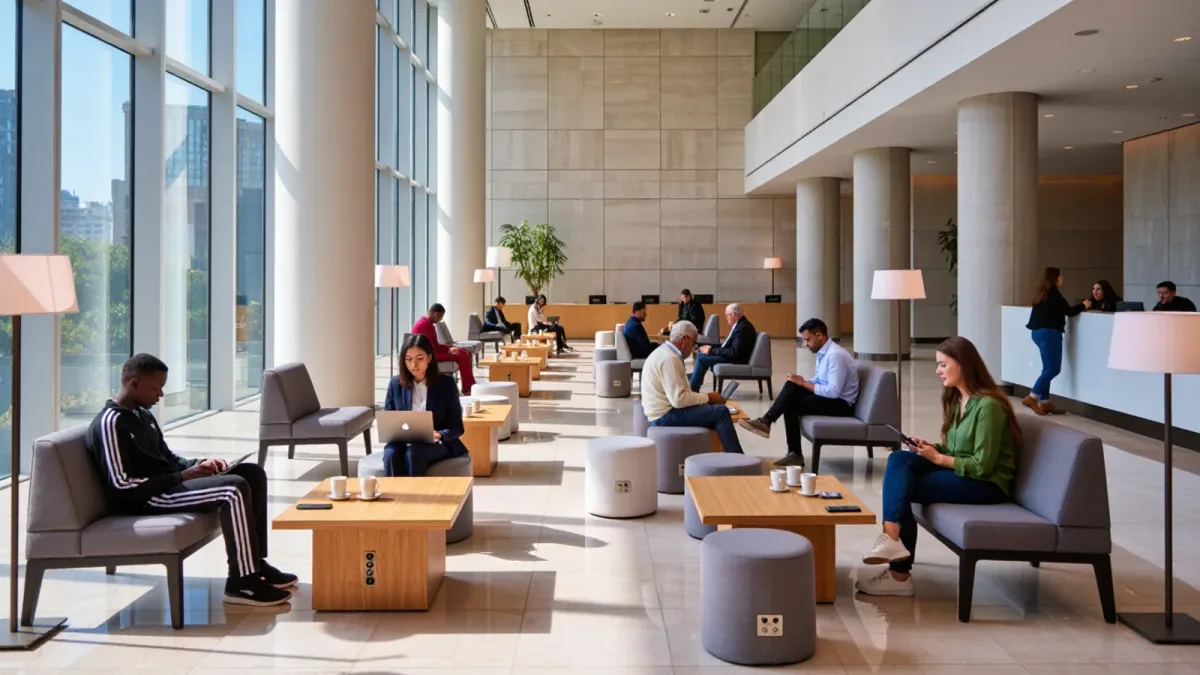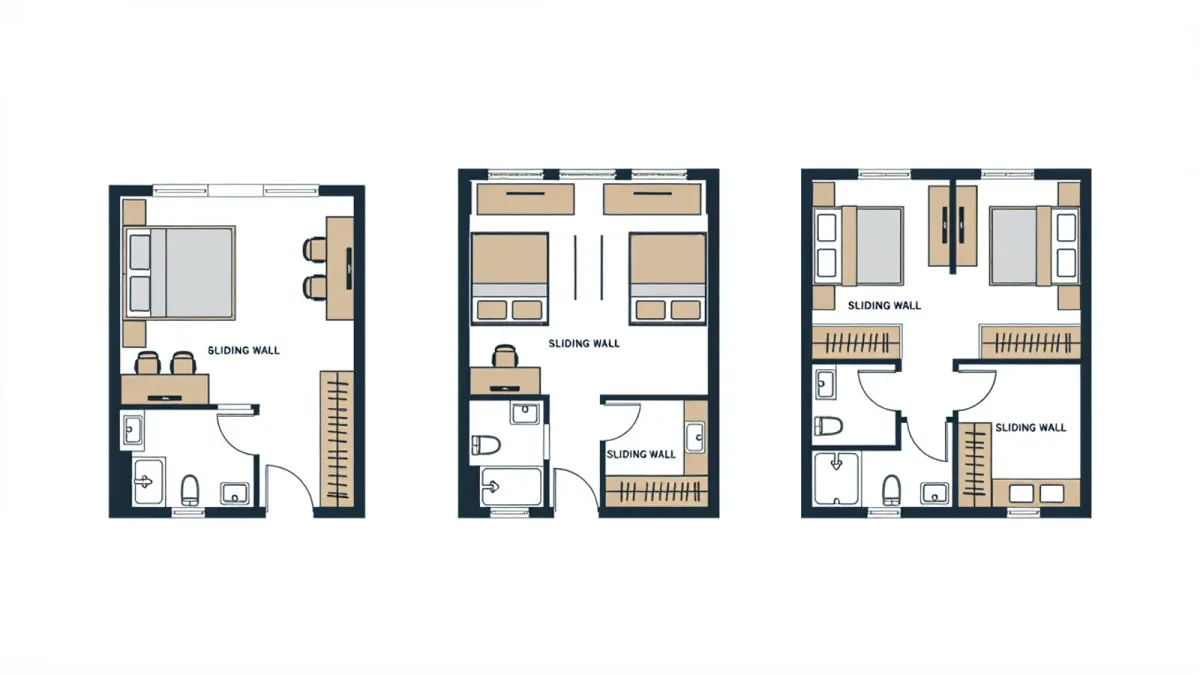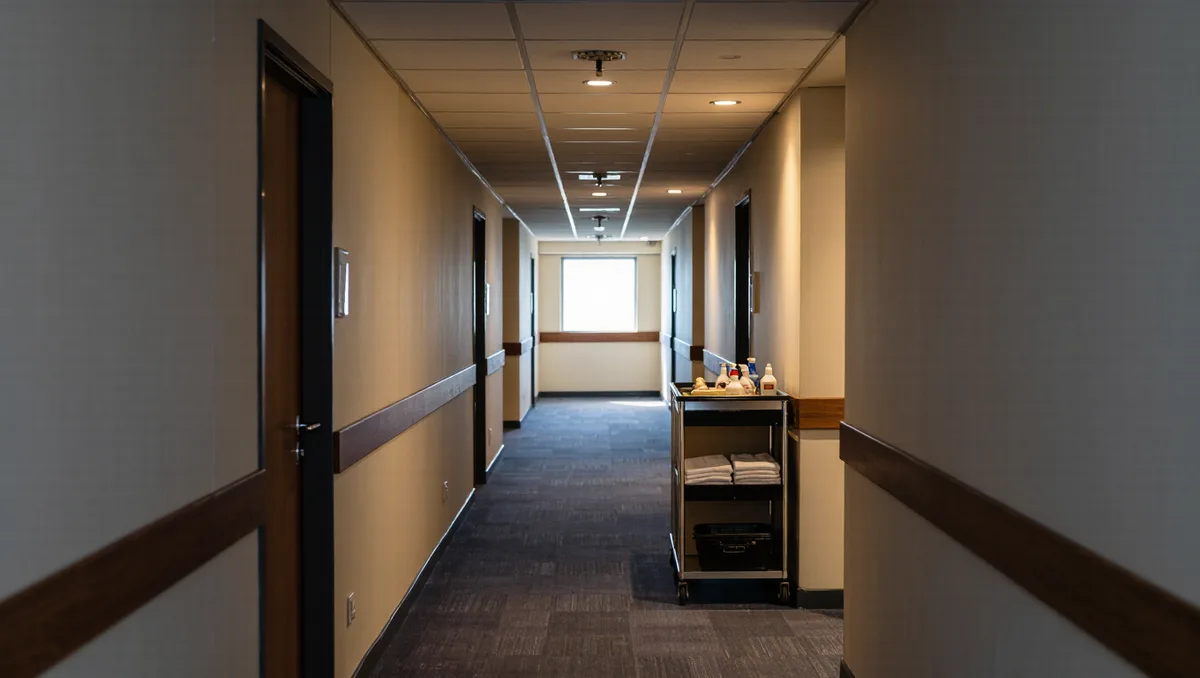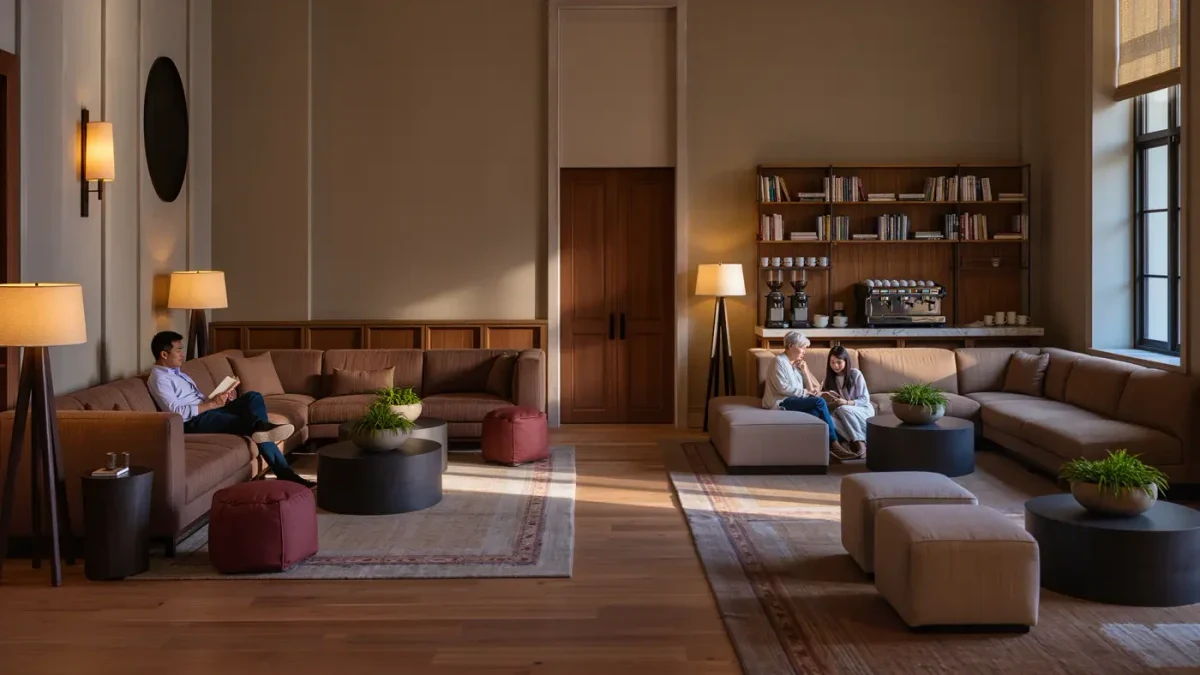
Hotel lobbies turned into living rooms because hotels stopped selling rooms and started selling the feeling of belonging. Since the mid-2010s, brands from Marriott's Edition to Hilton's Canopy and hundreds of independents have replaced marble front desks and chandeliered atriums with area rugs, sectionals, fireplaces, and coffee counters — and the design logic, laid out in hospitality-design trade coverage through 2025, is simple: a guest who lingers in the lobby buys a second coffee, meets a friend, and remembers the hotel as a place rather than a bed.
The industry calls it lobby socialization, and it is the most copied design move in hospitality. It also, quietly, offers the best free design education a homeowner can get.
What did the old lobby do wrong?
The twentieth-century lobby was a transaction hall: a long desk, a cue for check-in, polished floors that discouraged lingering. Its job was to move you to the elevator. That model collapsed when two things happened — travel normalized into a lifestyle category, and phones absorbed check-in, keys, and payment. With the transaction gone, the lobby had to earn its square meters, and per square meter, hotel real estate is among the most expensive anywhere. A lobby that only processes arrivals is dead weight; a lobby people choose to sit in sells food, drinks, day passes, and repeat bookings.
What are the actual design moves?
Walk a recent lifestyle-property lobby and you can catalogue the toolkit:
- Zones, not one big room. A nook for two, a communal table for eight, a fireside cluster, a work shelf with outlets. Multiple seating groups let strangers share a room without sharing a conversation.
- Residential furniture at commercial durability. Deep sofas, wool rugs, table lamps instead of downlights — specified to survive 100,000 sittings.
- The desk dissolved into the room. Pods, tablets, and roving staff with tablets; some brands hid the desk behind the bar entirely.
- Food and drink as furniture. The coffee counter and the honor bar sit in the seating, not in a restaurant beyond a door.
- Sound design. Zones are planted and padded so a lobby reads lively, not loud.
Why do guests actually prefer it?
Psychologists have a name for the space involved: the third place — not home, not work, the café or bar or library where community happens. Hotels, especially ones hosting digital nomads and hybrid travelers, position their lobbies as the neighborhood's third place, open to locals as much as guests. For the traveler, a living-room lobby solves the loneliness problem of the business trip; for the neighborhood, it is a bar you already have a reason to enter. Design firms describe the goal with the phrase residential warmth, and the term appears in nearly every boutique-hotel brief written in the last decade.
What can a homeowner steal, specifically?
More than you would think, because the techniques are scale-free:
- Make zones. Halve your sofa-and-TV default; two small groupings make a room feel larger and used.
- Lamp light, not ceiling light. Hotels layer three or four lamp pools per zone; overhead light is for cleaning, not living.
- One hospitality moment. A coffee station or a drink trolley with real glasses changes how a room is used nightly.
- Materials that hide use. Wool, leather, darker patterned rugs — chosen for the tenth year, not the first photo.
- Green and soft goods as acoustics. Plants, curtains, and upholstery eat echo; a room that sounds calm feels calm.
Are there versions that fail?
Plenty. The clichés are already visible: lobbies so dark guests cannot read menus, "living rooms" where every outlet is hidden for visual purity, and staged authenticity — vinyl records nobody plays, a typewriter on a shelf. Homeowners make the mirror mistakes: buying restaurant-grade seating that is miserable at house scale, or zoning a small room into fragments neither of which fit two people. The test is use, not style: does anyone actually sit where the design says they should?
Is the trend already over?
The next wrinkle, visible in 2024–2026 openings, is the lobby as workplace and event floor — stronger acoustic shells, writable walls, meeting nooks bookable by the hour, and lobbies that change character from morning coffee to evening bar. But the core insight has held for a decade and shows no sign of reversing: people pay for rooms that feel like places. The marble hall was a monument to the hotel; the living room is a stage for the guest. Homeowners reading this already know which one their own living room should be.
FAQ
Why did hotels remove the front desk?
Mobile check-in, digital keys, and payment apps removed the transaction the desk existed for, freeing the lobby's best square meters for seating that generates food-and-beverage revenue and repeat stays. Many properties kept a small service pod rather than eliminating staff entirely.
What is a third place?
A social environment separate from home (first place) and work (second place) — cafés, bars, libraries, parks. Hotel lobbies deliberately borrowed the concept to serve both travelers and locals as a communal living room.
Can I get the look on a normal budget?
Yes — the essence is zoning, layered lamp light, one generous drinks or coffee station, and durable natural materials, all achievable with mid-price furniture. The expensive part of hotel lobbies is durability engineering and custom millwork, not the visual idea.