A branded residence is a condominium whose developer pays a hotel or luxury brand — Four Seasons, Ritz-Carlton, Aman, Baccarat, and dozens more — for the right to put its name on the building and, usually, to run its services. In exchange, owners get hotel-operated amenities, staff, and finishes at brand standard, and developers get a documented price premium: industry research collected through the mid-2020s consistently finds branded residences selling at roughly a 25-to-35 percent premium over comparable unbranded luxury condos in the same market, with premiums even higher in resort destinations.
The category has boomed — several hundred branded projects operate or are in the pipeline globally — but the brand on the facade is a promise whose details live in contracts most buyers never read until it matters.
What do you actually get?
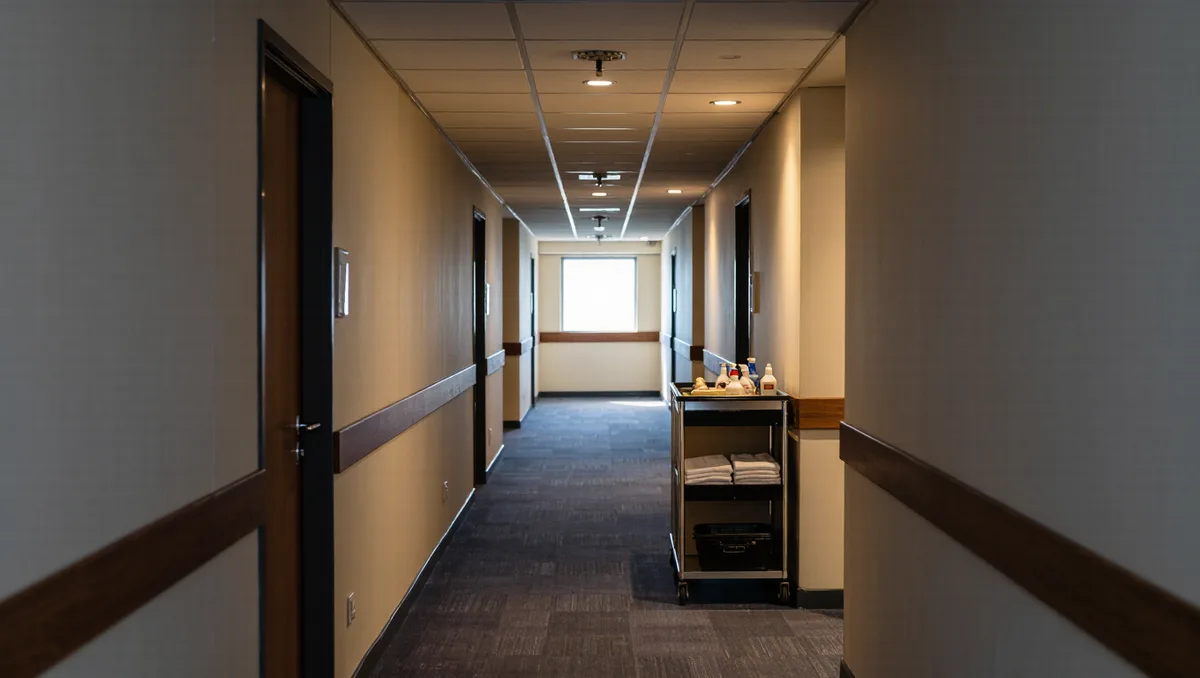
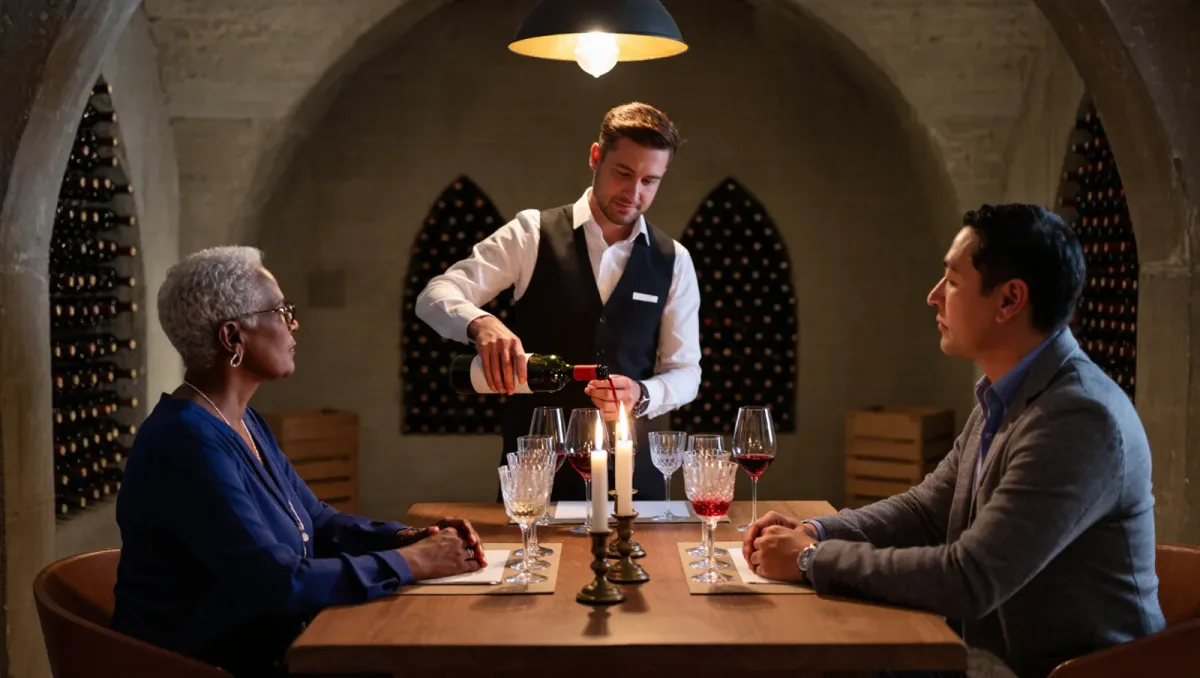
At a true hotel-branded residence, the list is concrete: hotel-grade staff (doormen, concierges, housekeeping you can hire by the hour), managed restaurants and spas in the building, temperature-controlled pools at hotel service levels, room service, and often priority access to the hotel's global network. The apartment itself is built to the brand's design standard — which is why they photograph so consistently. Some projects include a rental program letting owners place units into the hotel's inventory when away, splitting revenue with the operator.
What are you actually paying for?
Three layers, separable. The hardware: location and construction quality, which exist with or without the brand. The operations: staff, service contracts, and management — the monthly carrying cost, which in branded buildings runs high, often $2 to $5 or more per square foot per month in gateway markets. And the name: the licensing arrangement itself, which is a contract with an expiration date. That third layer is the one buyers romanticize and under-examine.
What can go wrong?
- The license ends. Brand agreements run 10 to 30 years; when a brand exits — disputes and exits have occurred from Las Vegas to Hawaii — the building keeps the floor plans and loses the name, the service contracts, and a slice of the premium that justified the price.
- The brand is hired, not the owner. In some projects the developer licenses the name but hires a third-party manager; service quality drifts from the flagship standard the brochure implied.
- Hotel guests outnumber owners. Buildings with heavy rental programs can read as a hotel with some permanent guests — elevators, pools, and lobby included.
- Fees compound. Brand-standard staffing means brand-standard costs; assessments in these towers climb with hospitality labor rates.
How do you diligence a branded purchase?
- Read the license and management agreements — term length, exit clauses, who employs the staff, and what happens to service if the brand leaves. Your real-estate attorney should treat these as the main documents, not the finishes schedule.
- Ask for the fee history and the rental program's actual occupancy economics, not the pro forma.
- Talk to owners at an existing building by the same brand in another city; the operator's flagship behavior is the honest forecast.
- Check the sponsor's track record — branded projects are complex to build, and half-finished luxury is a genre.
- Price the exit: when you sell, your buyer will do this same diligence. Premiums persist where operations are proven; they evaporate where the brand was the whole product.
Who should buy one?
The product fits a particular life: a second or third home used a few weeks a year, where lock-and-leave service and a rental program are genuinely worth a premium, or a primary residence for owners who value hotel services enough to budget hotel carrying costs permanently. It fits less well as a pure investment: the entry premium, high fees, and rental splits compress yields, and the resale buyer pool is narrow. The rational purchase is a lifestyle decision made with investment-grade paperwork.
FAQ
Are branded residences a good investment?
They carry a documented 25–35 percent entry premium over comparable luxury condos, high monthly fees, and narrower resale demand. They suit lifestyle buyers and part-year residents more than yield-focused investors; rental programs offset costs but rarely deliver hotel-level returns.
What happens if the brand leaves the building?
The license ends and the building loses the name and typically the brand-operated services, which can erode value. Review the term, exit clauses, and transition provisions in the license and management agreements before buying.
Can I rent out a branded residence?
Usually, through the building's managed program — placing your unit into hotel inventory and splitting revenue — subject to the program's terms, occupancy limits, and local short-term-rental law. Outside-program rentals are typically restricted.