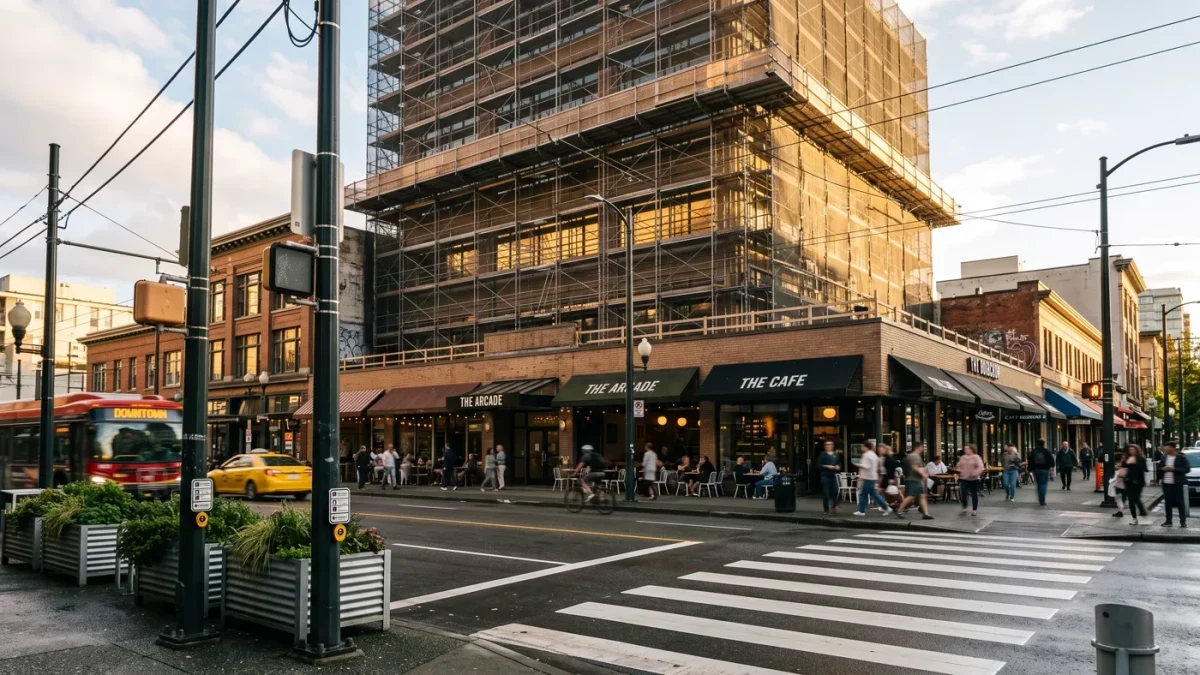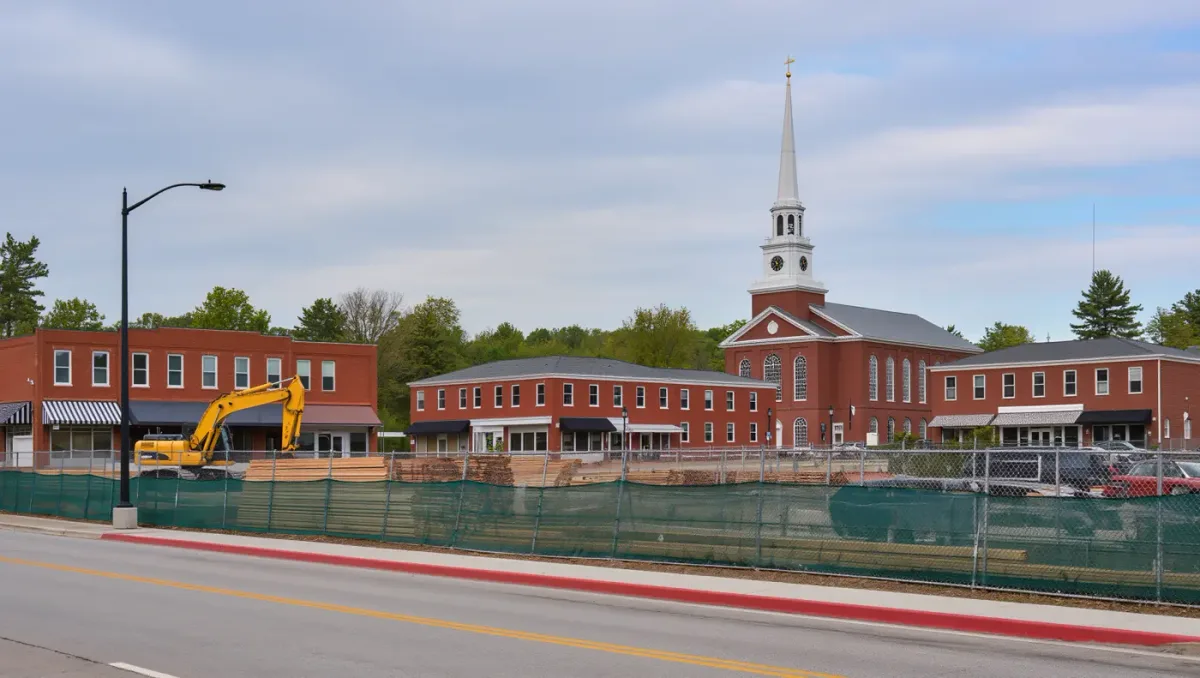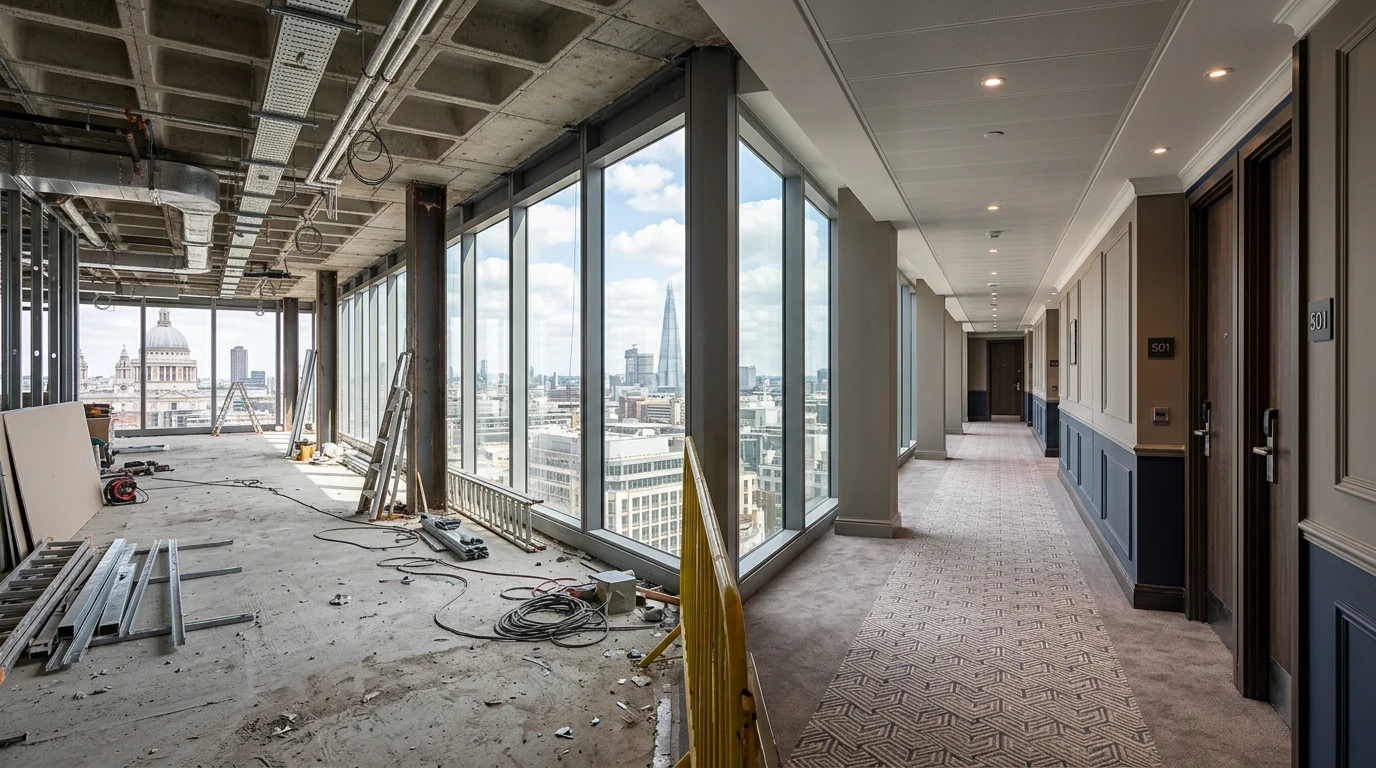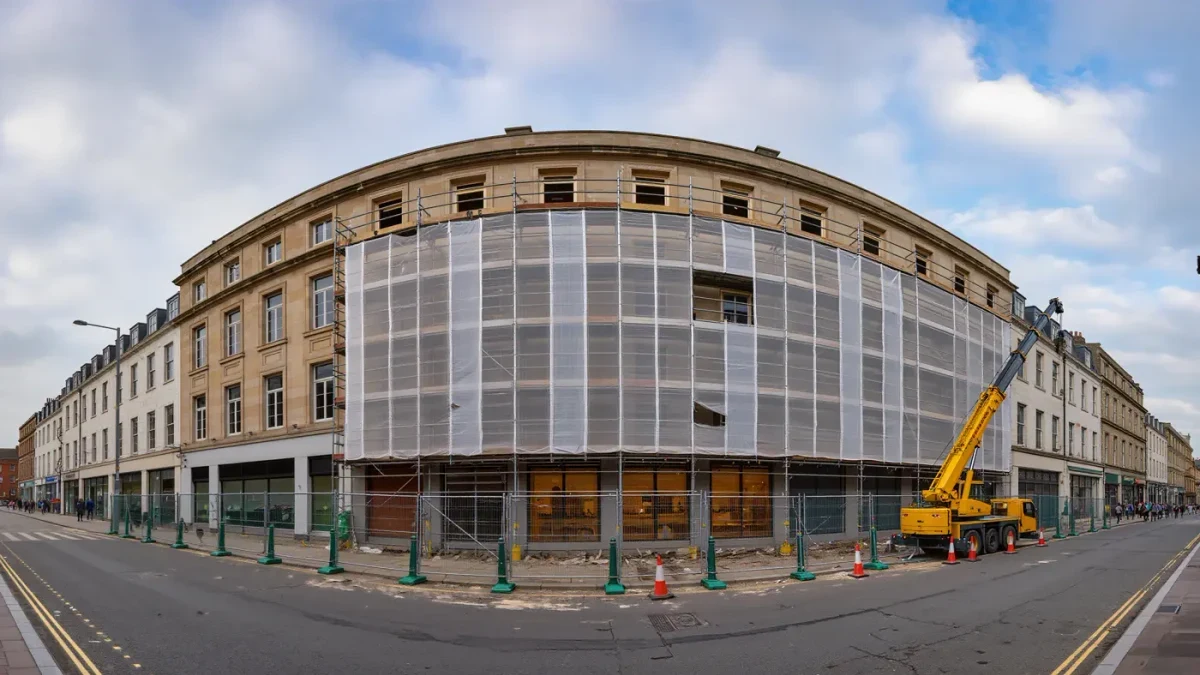
The Shapiro administration announced a nearly $30 million office-to-residential conversion breaking ground on Smithfield Street in downtown Pittsburgh — 39 new affordable housing units carved from an underused office building in the heart of the Golden Triangle, per the Pennsylvania Department of Community and Economic Development, whose programs backed the project. It is one entry in a national wave: downtowns from Washington, D.C., where the 532-home Geneva conversion broke ground under Mayor Bowser, to Houston, San Antonio, and Los Angeles are turning empty office floors into apartments, and the people who live downtown are the point.
What a project like this changes for the block, below.
What we know about the project
Per DCED's release, the Smithfield Street project is a nearly $30 million conversion producing 39 affordable units — a deliberately modest, deeply practical building rather than a trophy. That profile matters: Pittsburgh's downtown office vacancy sat among the higher rates of major U.S. downtowns through the mid-2020s, and the state's conversion programs were structured to move exactly this kind of middle-sized, hard-to-lease office stock into housing. Thirty-nine units will not re-balance a market; thirty-nine units plus a pipeline of siblings can, floor by floor.
Why conversions cluster downtown
The economics rhyme in every city running this play: older office buildings with high vacancy, dated systems, and layouts around elevator cores that happen to sit near light rail, riverfront trails, and the cultural district — the amenity set apartments want. The problems rhyme too: floor plates too deep for residential light (offices build to the window wall, homes need windows within roughly 25 to 30 feet of every room), plumbing stacks rising through columns, and zoning written for a workday neighborhood that must now permit people to live, grocery-shop, and take out trash at all hours. The projects that pencil tend to share three traits: some public subsidy or tax abatement bridging the cost gap, buildings from the mid-century-and-earlier eras with shallow floor plates, and a city actively updating its zoning and street-level rules for residential life.
What it changes for the people near it
For downtown workers and the block itself, a conversion is foot-traffic infrastructure: residents buy coffee at 7 a.m. and dinner at 7 p.m., the hours offices leave dark. For the regional housing market, affordable units downtown absorb demand near jobs — 39 households commuting less is a small climate and congestion gain with every unit. And for the office market itself, removing a failing building from the office inventory is supply discipline: the remaining offices compete against fewer, better buildings. The residents get the deal everyone in this boom is actually buying — a walkable downtown address at a rent the glass towers do not offer.
The honest caveats
Conversions are slower and costlier per unit than the announcements suggest — structural and plumbing retrofits routinely push costs near new-construction levels, which is why public gap funding appears in nearly every project that closes. Affordable set-asides like Smithfield's depend on subsidy programs whose politics vary by state and budget year. And one groundbreaking is a promise; the industry's delivery record on conversion timelines has been optimistic, so the units that matter are the ones with certificates of occupancy, not press releases. Still, the direction is real and compounding: Pennsylvania's program, D.C.'s Geneva, Manhattan's pipeline of conversions — the American downtown is being re-tenanted, 39 apartments at a time.