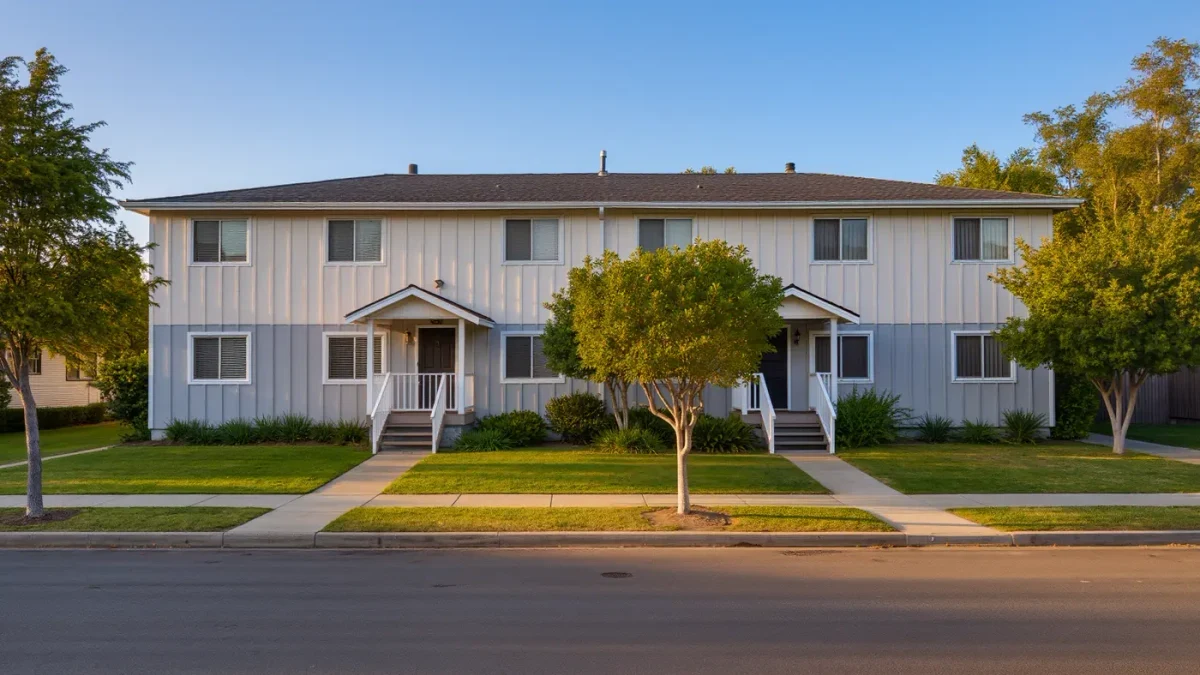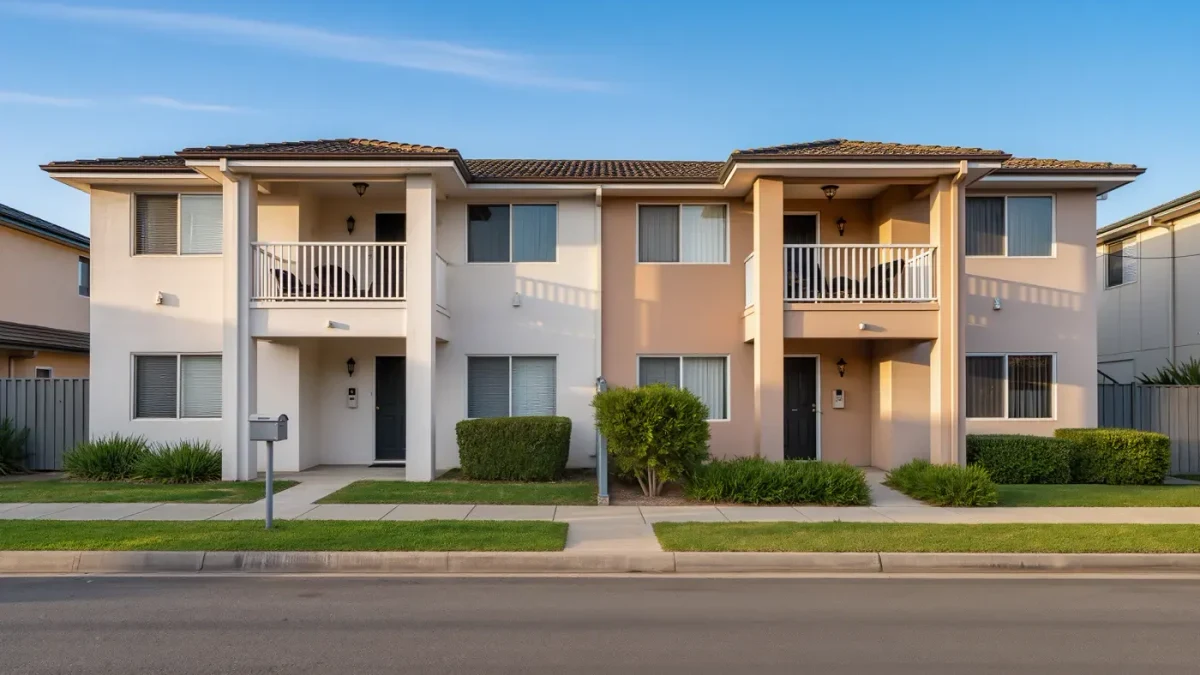
A duplex — one building, two units, typically side-by-side or stacked — bought as an owner-occupant lets you live in one half and rent the other, a strategy called house-hacking: the rent offsets much or all of the mortgage, and owner-occupancy unlocks financing that investors cannot get, including FHA loans with 3.5 percent down on two-to-four-unit properties (multifamily purchases under FHA rules require self-sufficiency tests in some markets and, notably, FHA now allows rental income from the other unit to help qualify under its standard formulas). Census data shows two-to-four-unit buildings holding a steady, shrinking share of American stock — duplexes are scarce enough that finding one is part of the work.
Here is the honest ledger. (This article publishes information, not financial or legal advice.)
What does the money actually look like?
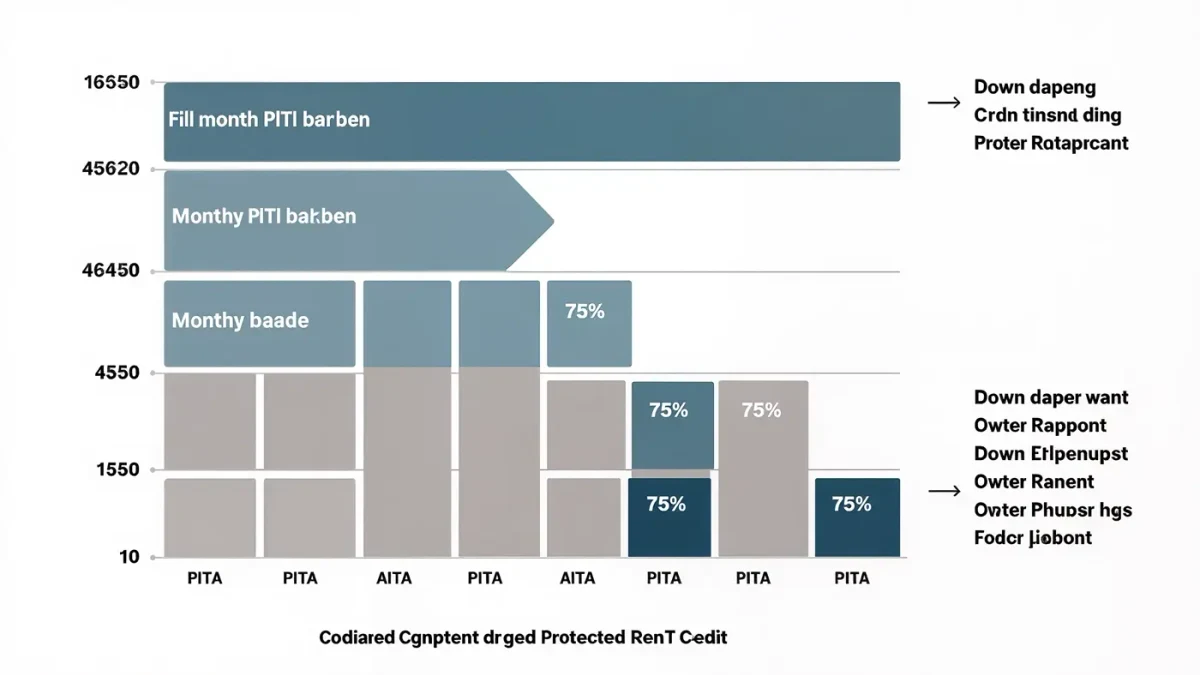
Take a $450,000 duplex with 5 percent down on a conventional owner-occupied loan (or 3.5 percent FHA): mortgage, taxes, and insurance land near $3,200 a month in the mid-2020s rate environment. The rented unit brings, say, $1,600. Your effective housing cost: $1,600 plus your maintenance share — half a house cheaper than renting equivalently in many metros. The long game compounds: rents rise over a 30-year hold while the fixed mortgage payment does not, and at exit you sell a rental property or keep it as a pure income building. The catch stack is just as concrete: a vacancy means you carry the full payment; a bad tenant means your neighbor is the problem; and the 2025–2026 flat-rent environment in many Sun Belt metros (documented in Census and industry rental data through 2025) cooled the aggressive pro-formas of the pandemic years — underwrite today's rent, not the peak's.
What does ownership actually ask?
You are a landlord, which is a part-time operations job with a legal dimension. The asks: screening discipline (credit, income, references — the single highest-return chore in landlording), state and local landlord law compliance (habitability, notice periods, security-deposit rules; some cities cap rents or require registration), fair housing law (federal protected classes plus state additions — ignorance is not a defense and enforcement is real), separate systems where possible (separately metered utilities end the billing arguments; a shared meter means you become the utility company), and the shared-wall etiquette — noise travels, you are the neighbor and the boss, and the good operators keep those two roles strictly separate in conversation.
Owner-occupant advantages, precisely
| Benefit | Owner-occupant | Investor |
|---|---|---|
| Down payment (FHA) | 3.5% | Not eligible |
| Down payment (conventional) | 5–15% | 15–25% |
| Rates | Owner-occupied pricing | ~0.5–1pt higher |
| Rental income counts toward qualifying | Often partially (75% typical) | Yes, with history |
| Primary-residence capital-gains exclusion at sale | On your unit's share (partial) | No |
The occupancy obligation is real: owner-occupant financing requires you to genuinely intend to live there (typically at least a year), and misrepresenting it is occupancy fraud — the classic mistake is buying "for" a relative. Ask lenders directly about current two-to-four-unit products; rules shift by year and agency.
What should you check before buying a specific duplex?
- Legal two-unit status: municipal records must show the duplex as a legal two-family — the unpermitted "duplex" is a financing and eviction trap.
- Separate systems: meters, panels, furnaces if possible; each shared system is a future negotiation.
- Both units' condition and rent history: existing leases transfer with the sale — read them before closing; a below-market long lease is a discount in disguise or a yield cap, depending on your plan.
- The exit map: zoning reform across the 2020s (SB 9-style lot splits, missing-middle rezoning) changed what duplex parcels can become in some cities — a duplex on a lot that can hold four units is a different asset than one that cannot. The city's planning counter answers in ten minutes.
FAQ
Can I buy a duplex with FHA and rent half?
Yes — FHA insures loans on one-to-four-unit properties with 3.5 percent down for owner-occupants, and rental income from the other unit can partially help you qualify under agency formulas. You must genuinely occupy the property, typically for at least a year.
Is a duplex a good first investment?
It is the most accessible one: owner-occupant financing, rent offset, and a learning-landlord situation with exactly one tenant. Success depends on honest underwriting of today's rents, screening discipline, and tolerance for being both neighbor and boss.
Do I pay tax on my tenant's rent?
Yes, rental income is taxable, offset by deductions — mortgage interest share, depreciation on the rented unit, repairs, and expenses. The owner-occupied share complicates but does not disable these; a CPA with rental clients files it correctly in an hour.